Slope Stabilisation
Overview
Reduce The Risks Of Unstable Or Steep Slopes With Reliable Geotechnical Solutions
Poor ground, loose rocks and weathered strata pose danger to the general public and property owners. Ensure safe, efficient and dependable slope stabilisation with The RIX Group.
Backed by years of experience in various types of geotechnical techniques, we specialise in mitigating slope hazards for commercial, mining, construction and infrastructure projects across Australia and the Asia Pacific. Support safety and prevent soil erosion with the right solution, delivered on time and on budget.
Contact The Specialists In Slope Stability
Need a quote or do you have a general enquiry? Please complete our online form, and one of our team members will be in touch.
Our Slope Stabilisation Services
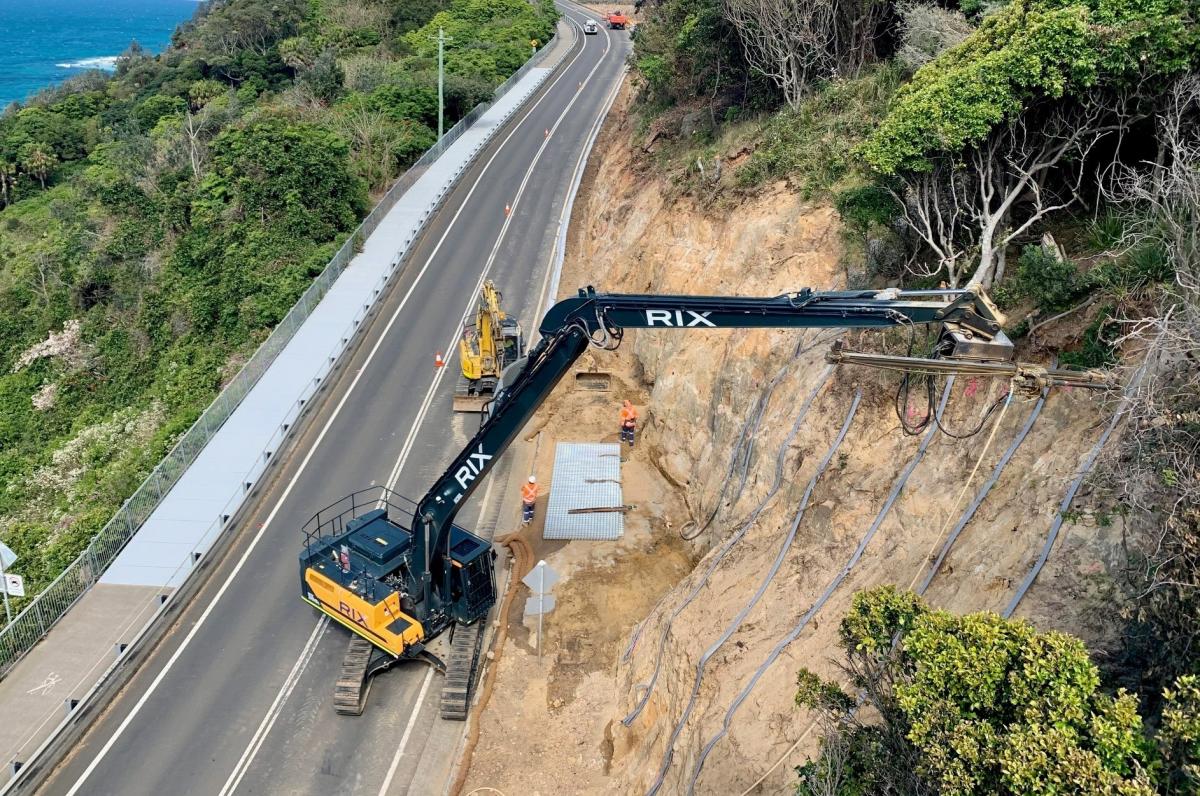
- Upslope & Downslope Stabilisation
- Soil Nailing and Rock Bolting
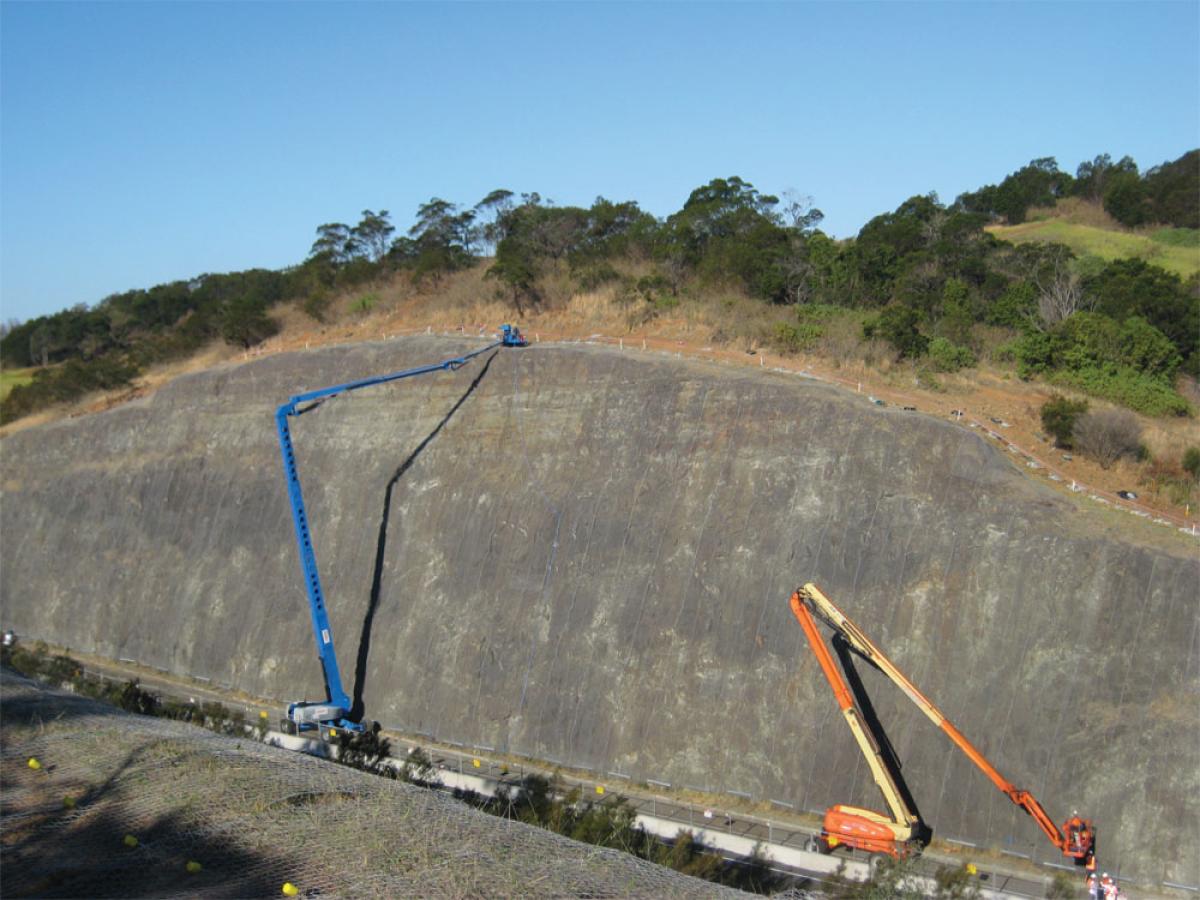
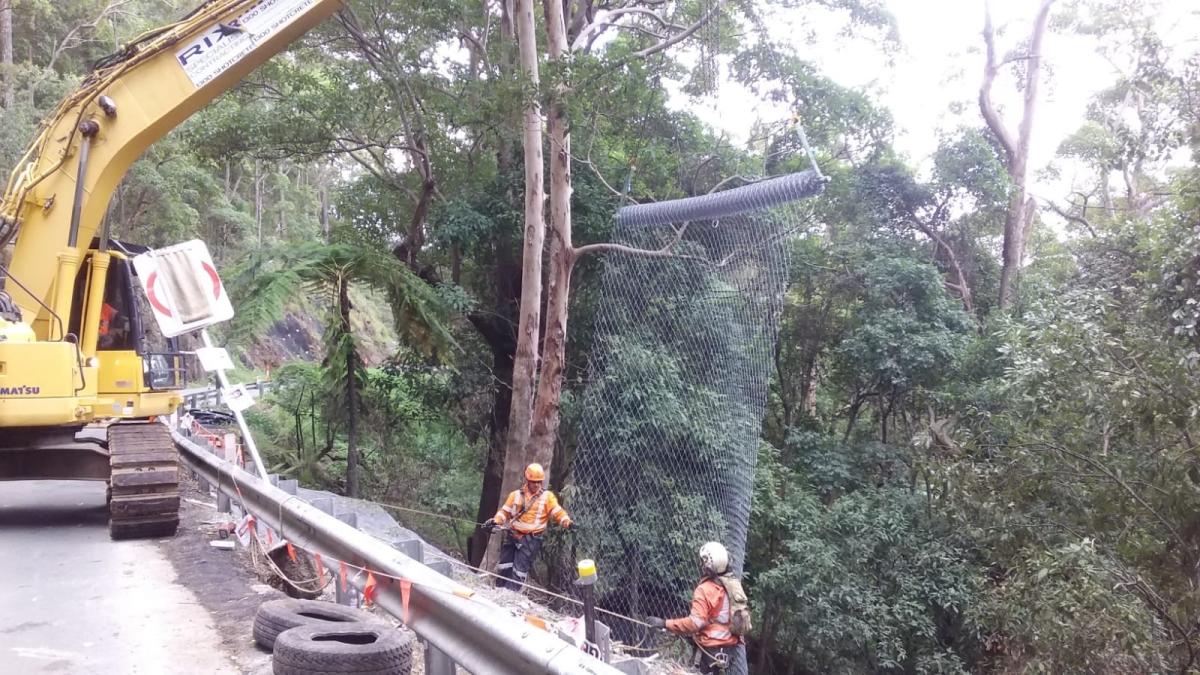
- Rockfall mesh drapes (active & passive)
- Rockfall barriers
- Erosion control matting
- De-scaling and rock removal, inc. rock splitting
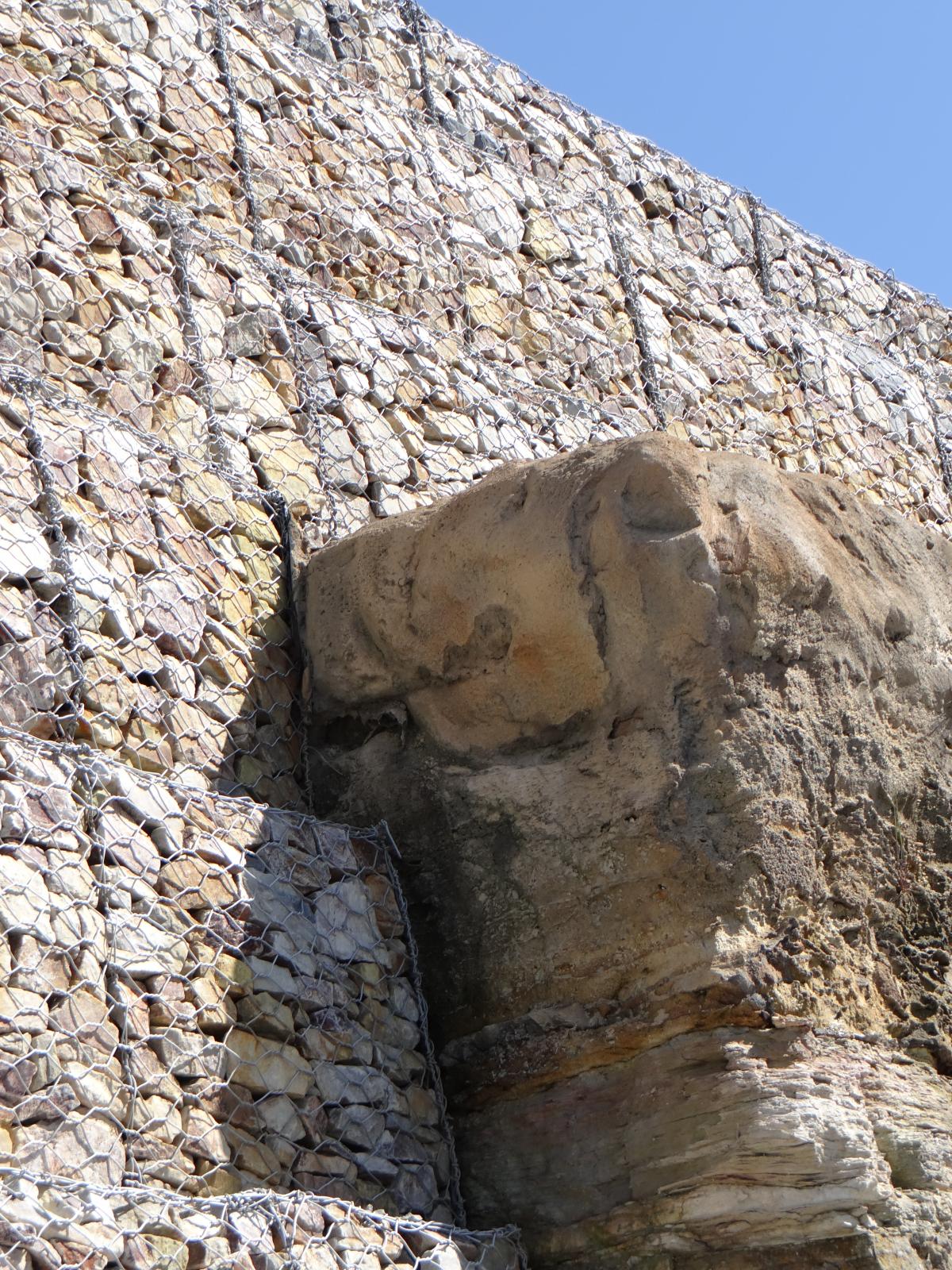
- Shotcrete, fibrecrete, gunite
- Rope access works
- Restricted access works
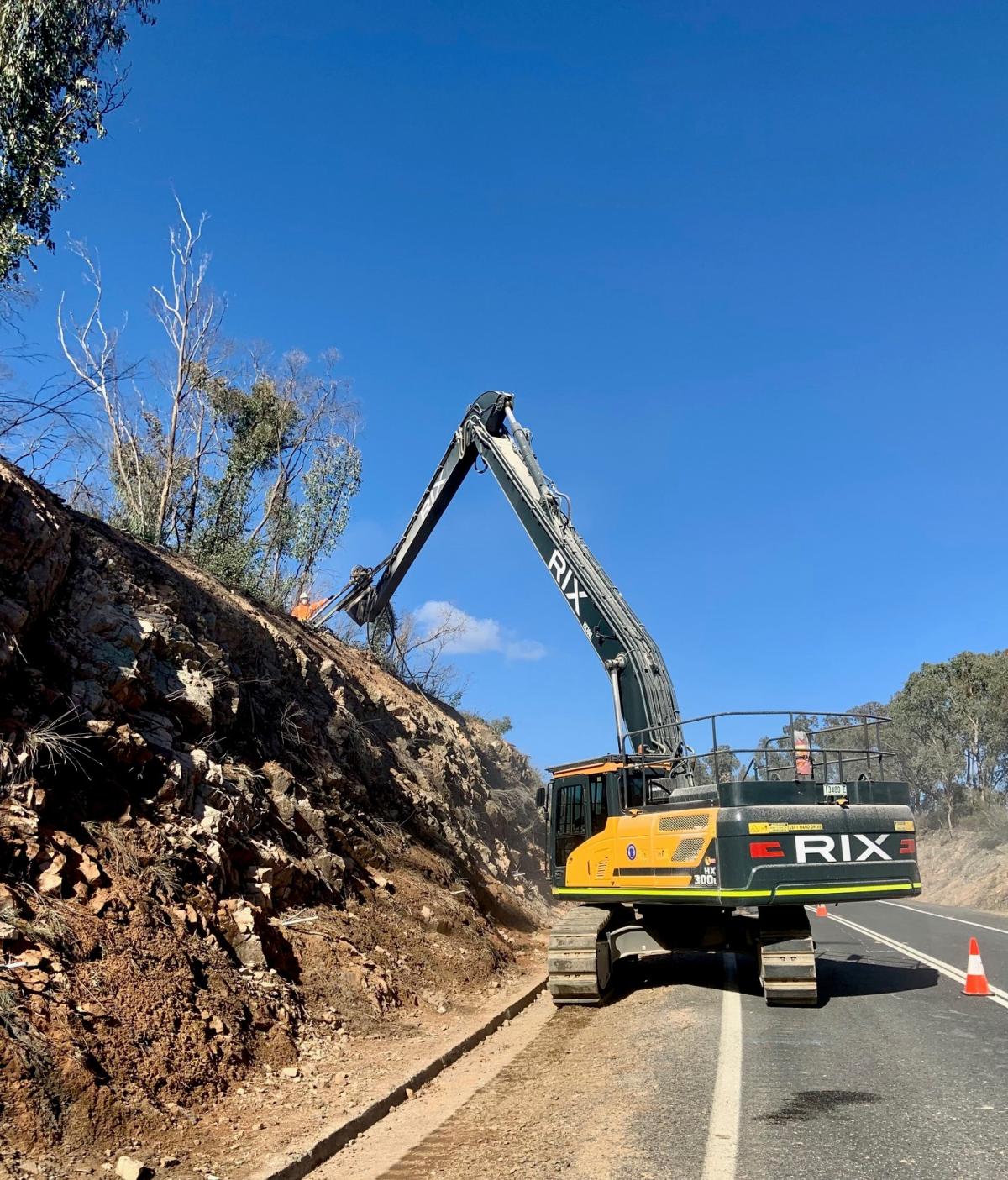
Rock Scaling
Remove loose rock and debris before they become a serious hazard. Our rock scaling works help improve slope safety by clearing material that can fall, shift or contribute to rock instability over time.
Completed by experienced crews, this method is often the first step before installing rockfall mesh, bolts, barriers or other slope protection systems.
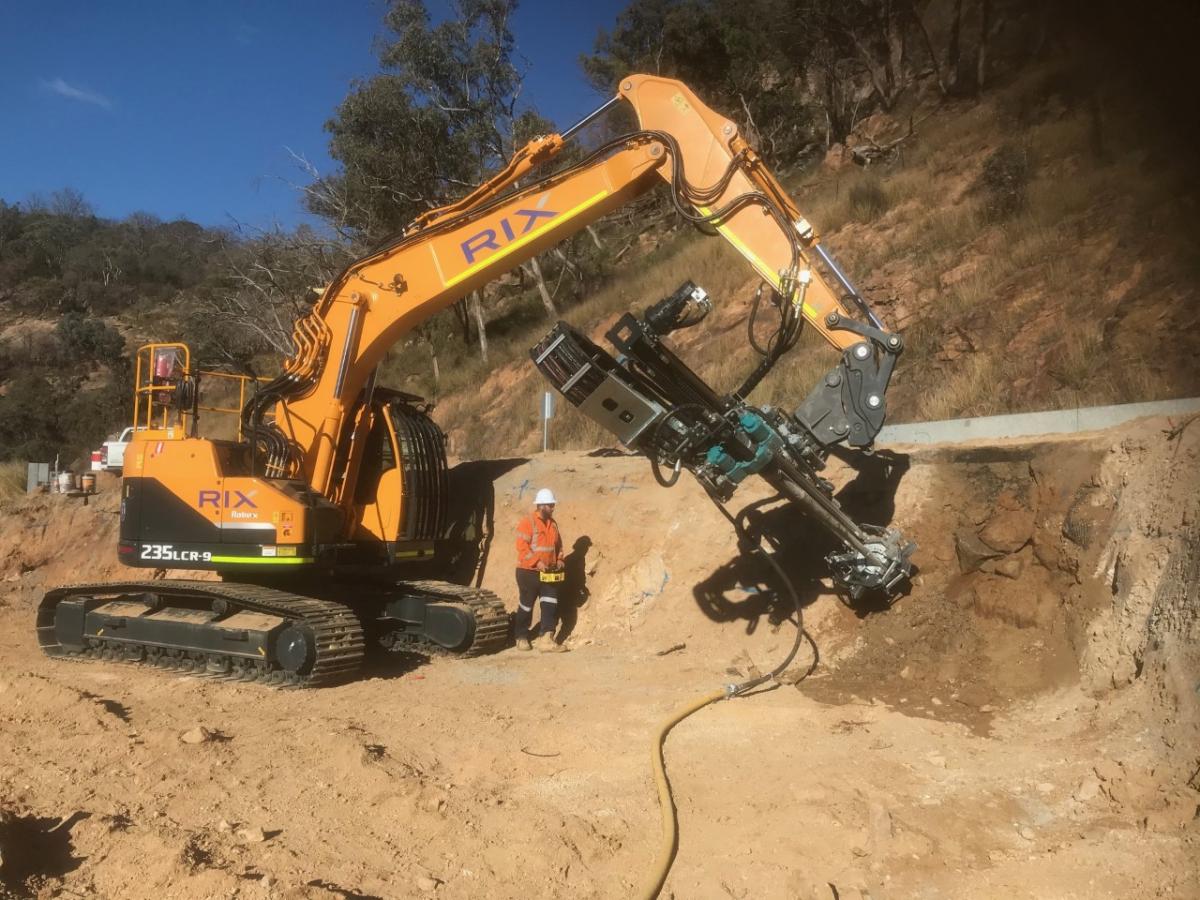
Rock Bolting
Secure fractured rock and reduce rockfall risk with engineered rock bolting solutions. Installed into pre-drilled holes and fixed with grout, resin, epoxy or mechanical anchorage, these bolts help tie unstable sections back into the stronger rock mass.
This makes rock bolts a reliable option for cliffs, tunnel portals, mining sites, road cuttings and infrastructure projects where loose rock, overhangs or wedges demand targeted reinforcement.
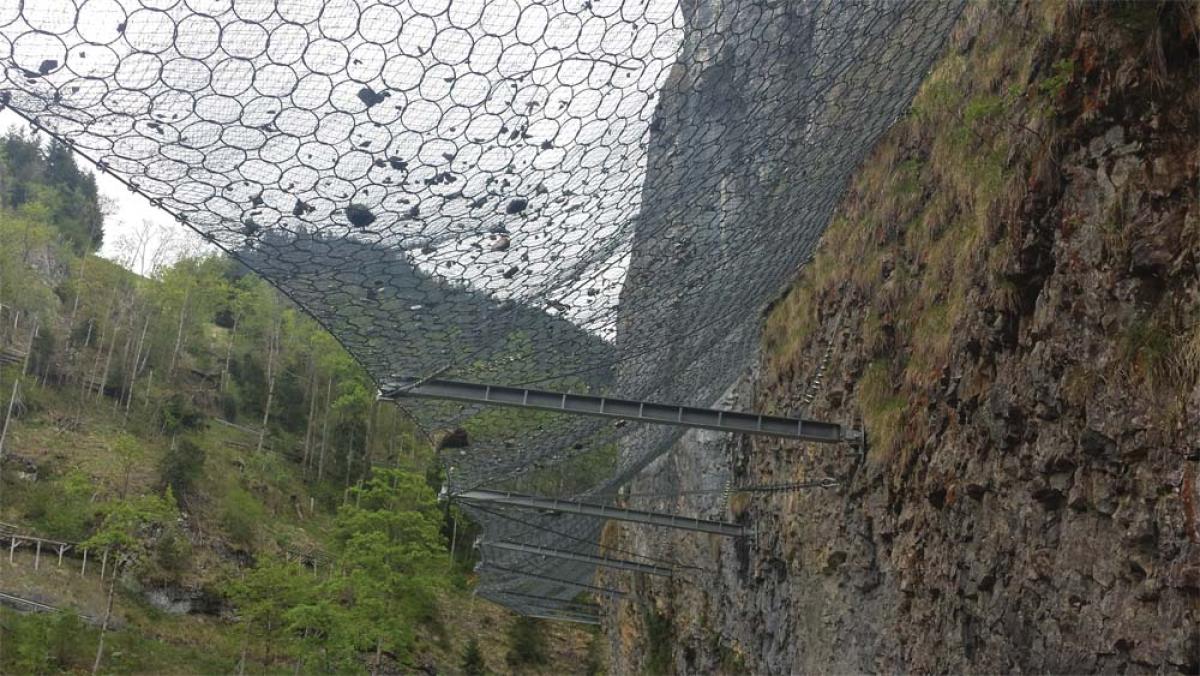
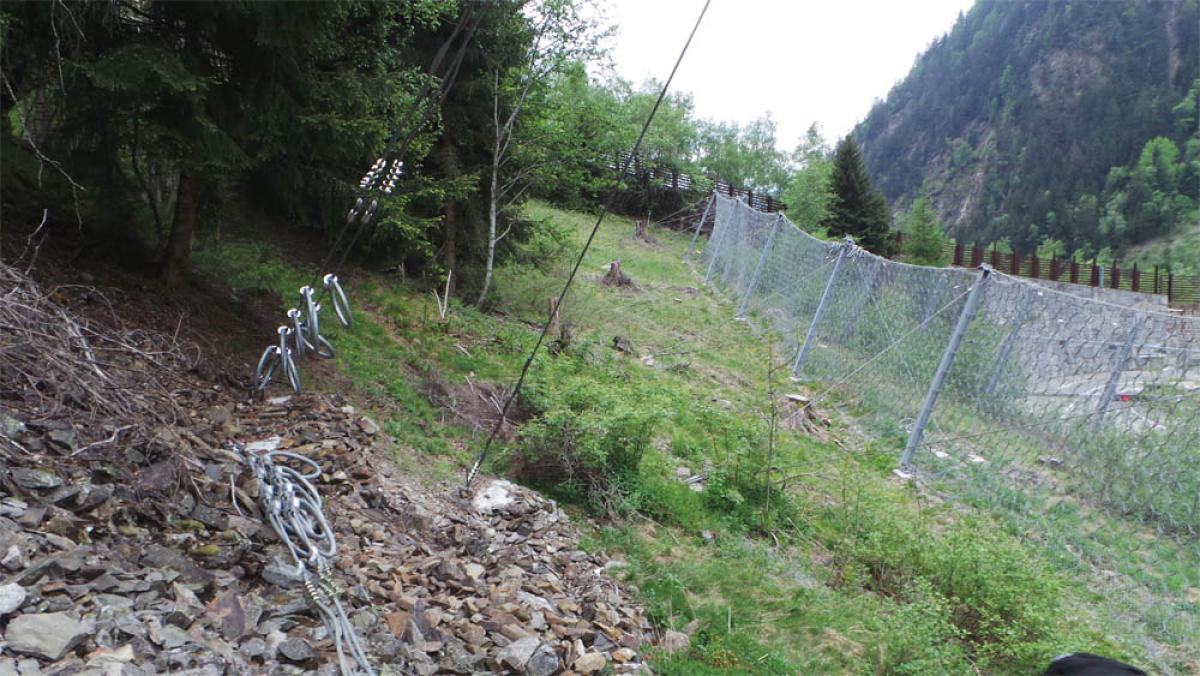
Rockfall Barriers
Shield roads, rail corridors, buildings and critical assets with rockfall barriers designed to intercept falling rock before it reaches high-risk areas. These engineered systems absorb impact energy and help contain rocks, boulders and debris on steep or unstable slopes.
Barriers are commonly used across transport infrastructure, mining sites, pipelines and alpine environments where rockfall protection is essential for safety and asset protection.
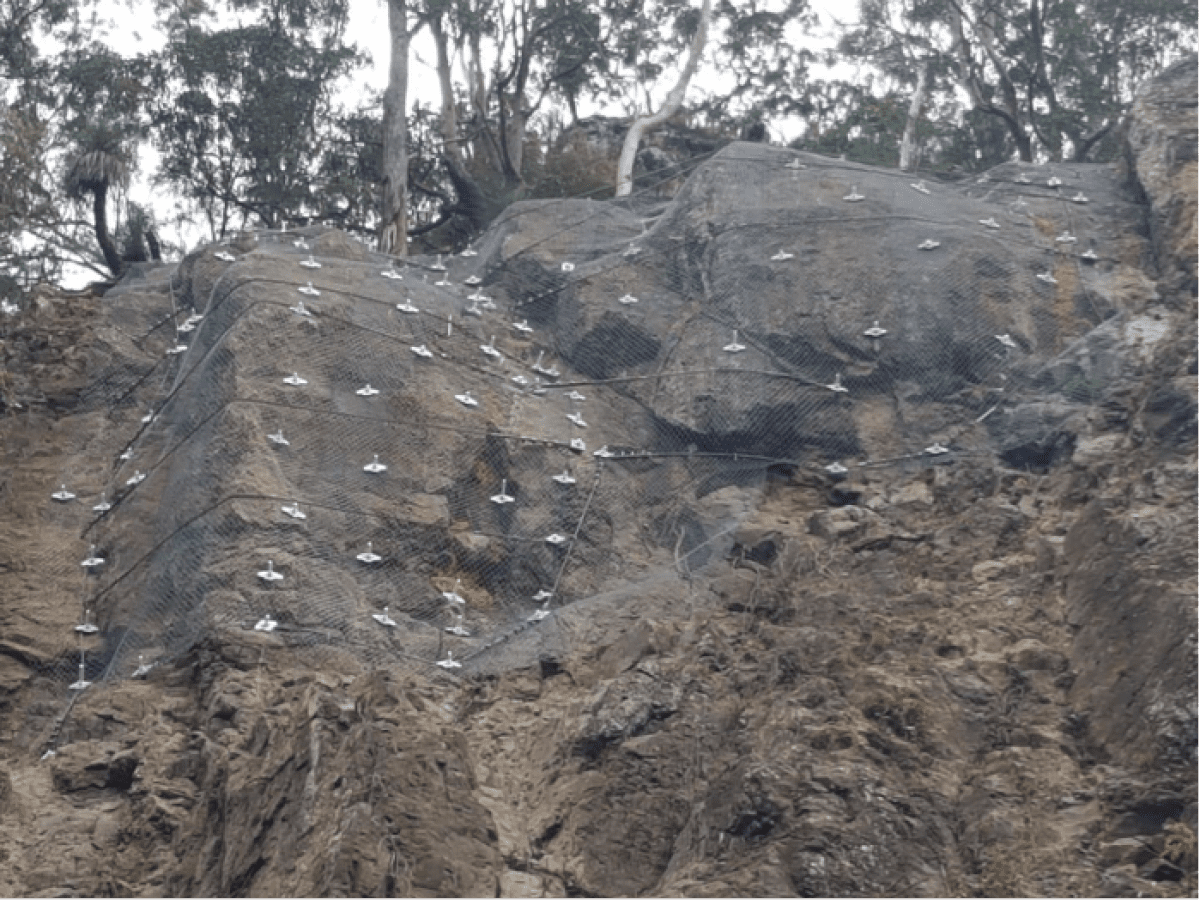
Rockfall Mesh Drapes
Control loose rock movement with durable drape systems that guide debris safely down the slope face. Rockfall mesh is a cost-effective solution for protecting roads, rail lines, buildings and infrastructure beneath weathered or unstable rock faces.
Fixed near the crest and draped over the rock surface, this mesh follows the natural shape of the slope while helping manage smaller rockfalls in a controlled manner.
Soil Nailing
Stabilise steep slopes and deep excavation faces with soil nailing systems built to resist shear forces. Steel bars, reinforcement bars or fibreglass nails are drilled into the slope and grouted in place, then paired with shotcrete, mesh or facing systems to create a secure support structure.
This geotechnical method is ideal for steep batters, road cuttings, embankments and staged excavations where safe, efficient top-down construction is required.
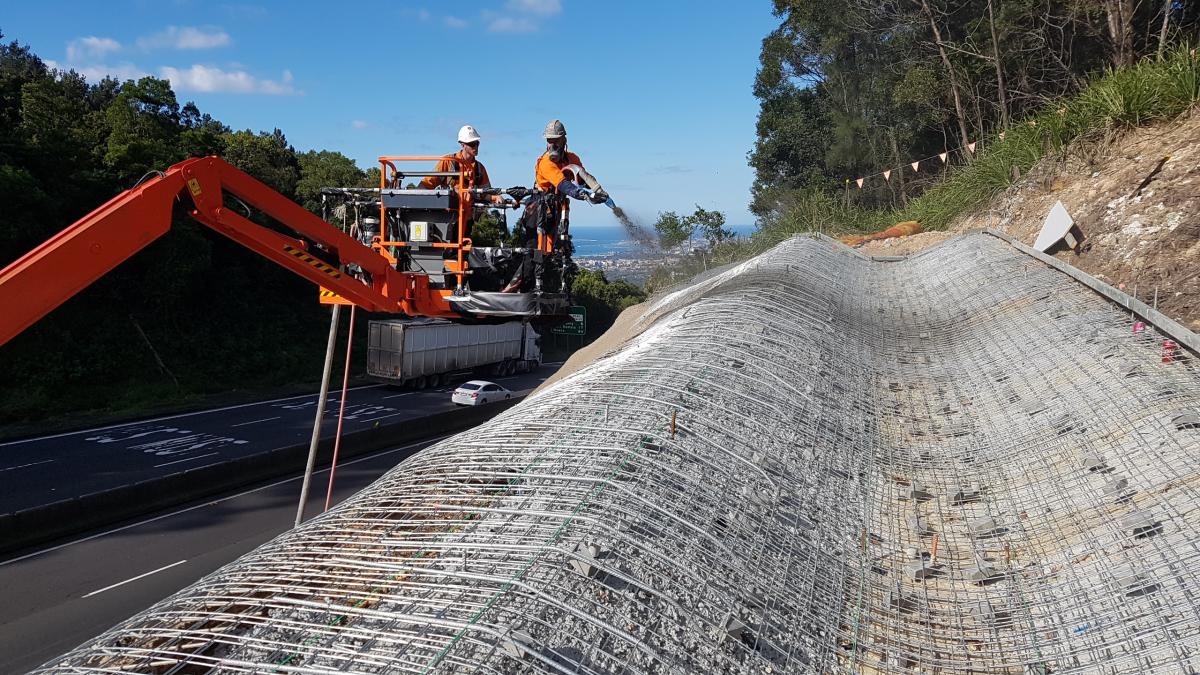
Shotcrete Retaining Walls
Build strong, permanent ground support with shotcrete retaining walls designed for unstable slopes. Applied directly to prepared soil, rock or reinforcement, shotcrete helps hold back soil, protect exposed faces, and control erosion for long-term stability.
This practical solution is ideal for highway embankments, commercial developments, infrastructure works and constrained sites where traditional retaining wall construction is time-intensive, costly or tough to deliver.
Erosion Control Matting
Reinforce soil structures and reduce sediment runoff with erosion control matting. Installed across batters, embankments, channels and disturbed ground, these geosynthetic mats help retain soil while supporting vegetation growth where required.
Built for demanding site conditions, this durable solution helps control the consequences of heavy rain, runoff and surface erosion from the outset.
FAQs
What are the most common causes of slope failure?
Slope failure occurs when the forces pulling soil or rock downhill become greater than the ground’s ability to hold together.
This can happen when extra load, lateral pressure, vibration or excavation increases stress on the slope, or when weathering, saturation or rising pore water pressure weakens the ground.
Common causes of slope failure include:
- Poor drainage and heavy rainfall: Uncontrolled runoff can erode the slope surface, saturate the soil and increase pore water pressure, making the ground less stable.
- Weak or weathered geology: Weathered rock, jointed rock or rock layers that dip in the same direction as the slope can reduce natural stability.
- Over-steepened batters: Excavation, grading or cutting a slope too steeply can reduce support and make the slope more likely to slip.
- Vegetation loss: Removing trees, grasses and groundcover can reduce root reinforcement and expose surface soils to erosion.
- Unstable soil structure: Dispersive clays, sandy loams and poorly compacted fill can be more prone to erosion, slippage and surface breakdown.
- Excavation at the slope toe: Removing material from the base of a slope can reduce support and trigger movement above.
- Added loads near the crest: Buildings, roads, machinery or stockpiled materials placed near the top of a slope can increase pressure and contribute to failure.
Any of these conditions can result in mass movements, such as landslides, creating serious risks for people, buildings, roads, rail corridors and other infrastructure.
What are the warning signs of slope failure?
Common warning signs of slope failure include:
- Cracks in the ground
- Widening gaps in soil or pavement
- Leaning trees
- Tilted poles
- Bulging retaining walls
- Falling rocks
- Fresh erosion
- Blocked drains
- Sudden changes in water flow
You may also notice:
- Doors or windows are sticking
- Cracks appearing in nearby structures
- Depressions forming in the ground
- Water seeps from a slope after rain
These signs can indicate that soil, rock or fill is moving. If you notice movement near a slope, retaining wall, excavation or structure, it is important to have the site assessed before the issue worsens or creates a safety risk.
What is slope stabilisation?
Slope stabilisation is the process of securing unstable soil or rock to reduce the risk of erosion, landslides, rockfall and ground movement.
This core element of geotechnical engineering is used on slopes, cuttings, embankments and excavation faces where the ground requires extra support.
Various slope stabilisation methods can be used to strengthen the ground, manage water pressure, support external loads and protect exposed surfaces.
Why is slope stabilisation essential?
Slope stabilisation plays a critical role in protecting people, infrastructure and surrounding land from the serious consequences of ground failure.
When slopes are left unsupported, they can collapse, slip or erode, causing landslides, rockfall, damaged assets, sediment runoff and costly project delays.
For civil, mining, infrastructure and construction projects, effective slope stabilisation helps keep worksites safe, roads and rail corridors protected, utilities secure, and nearby structures supported.
It also reduces erosion and helps prevent soil and sediment from washing into drains, waterways and neighbouring land.
Which slope stabilisation method is best for my site?
The best slope stabilisation method depends on your site’s slope angle, soil structure or rock type, drainage conditions, access, load requirements and whether the support needs to be temporary or permanent.
Some sites may need soil nailing, rock bolting, shotcrete, mesh, ground anchors, drainage or a combination of methods to achieve the right level of stability.
At The RIX Group, we assess the geotechnical conditions, site constraints and project requirements before recommending a slope stabilisation solution that is practical, safe and built for long-term performance.
Do you provide slope stabilisation services across Australia?
Yes. Our multi-skilled crews deliver slope stabilisation services across Australia and the Asia Pacific. Contact us today to determine the most suitable geotechnical solution for your site conditions and project requirements.
Contact The RIX Group
Need a quote or do you have a general enquiry? Please complete our online form and one of our team members will be in touch.