Sheet Piling
Overview
Temporary Or Permanent Sheet Piling For Excavation Support, Earth Retention And Groundwater Control.
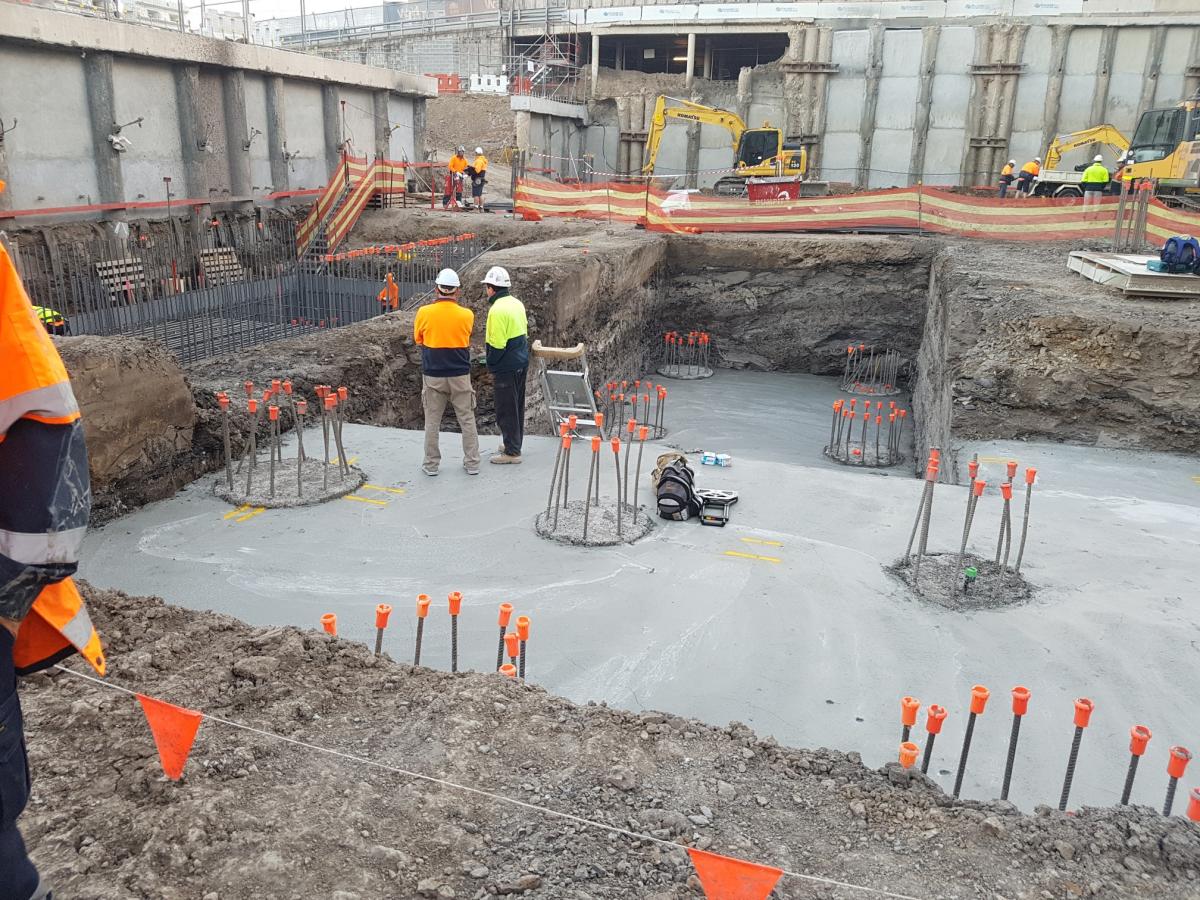
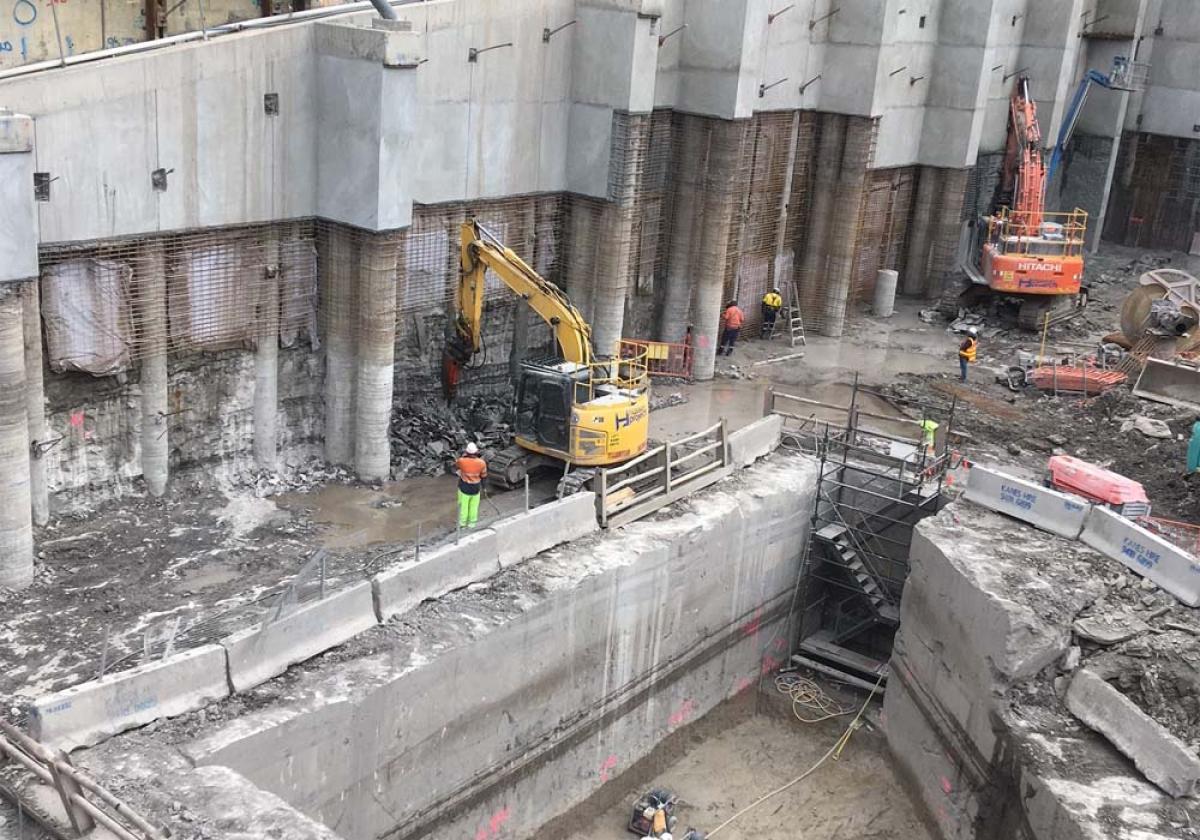
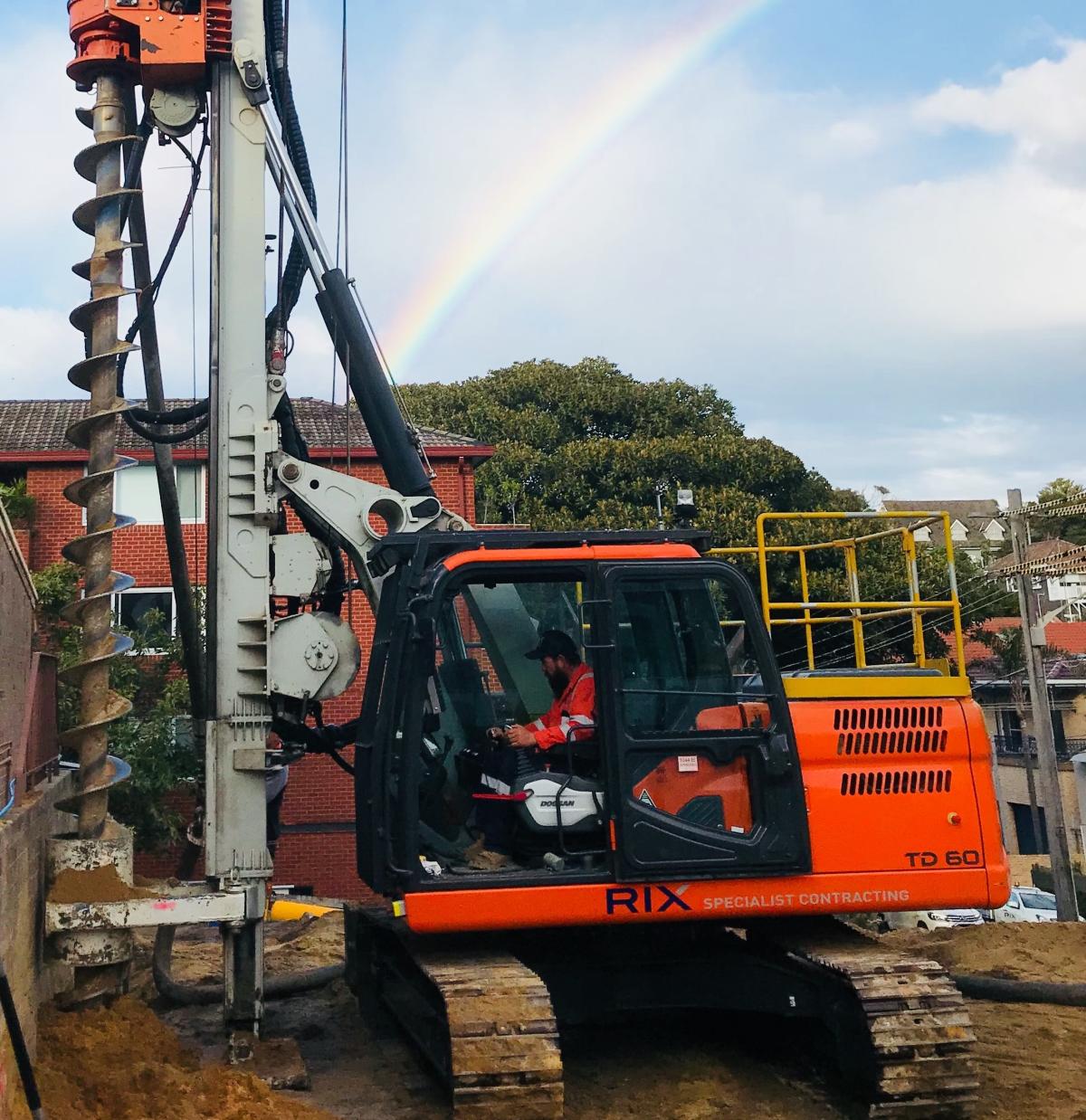
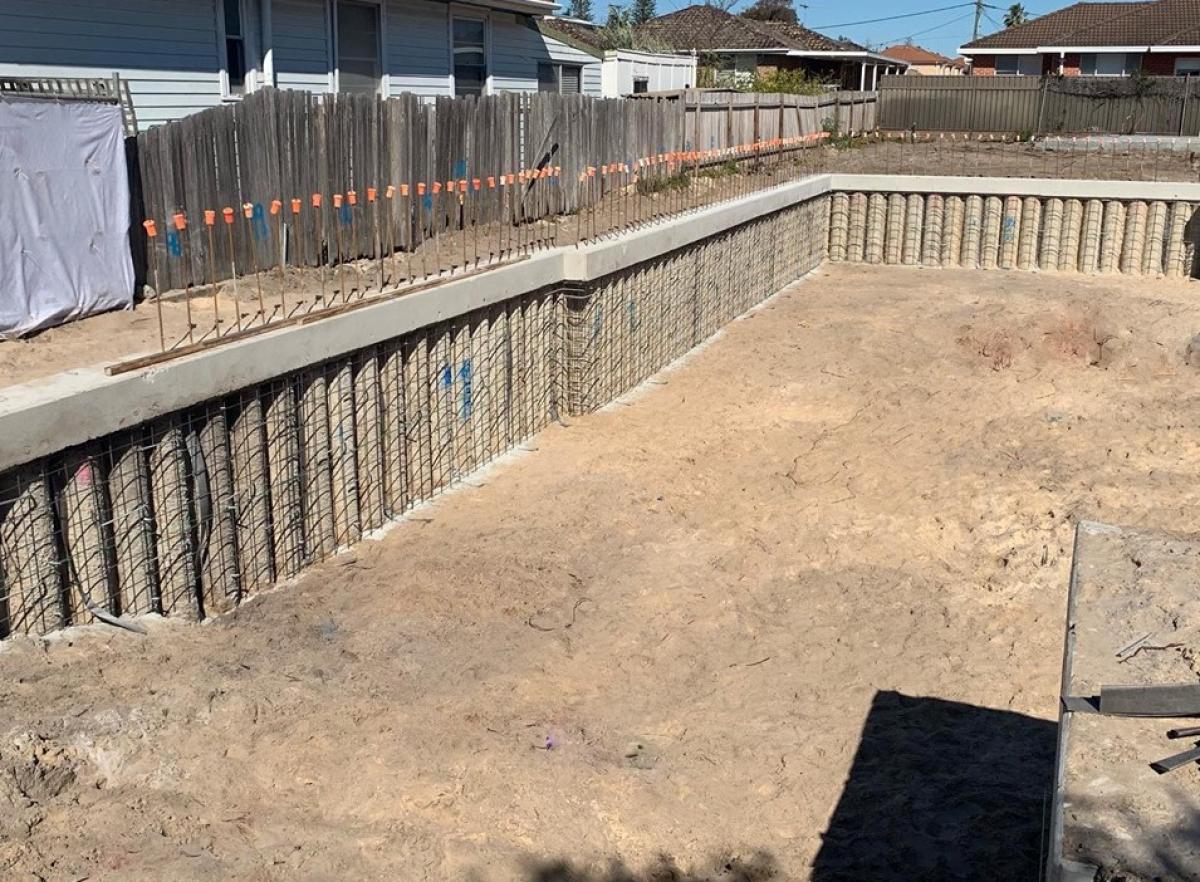
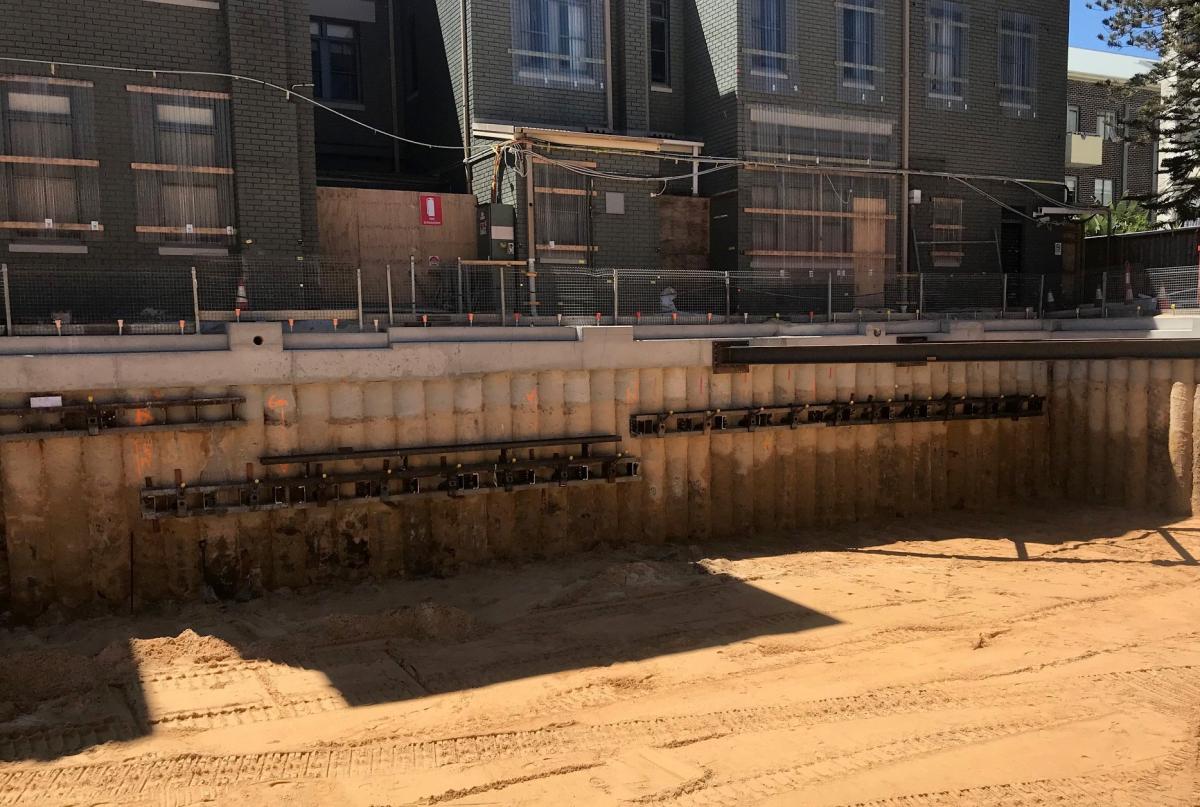
Sheet piling provides earth retention and excavation support for basements, cofferdams, seawalls, riverbanks and other below-ground and marine structures. Steel sections with interlocking edges form a continuous wall that can support temporary works or remain in place as part of the permanent structure.
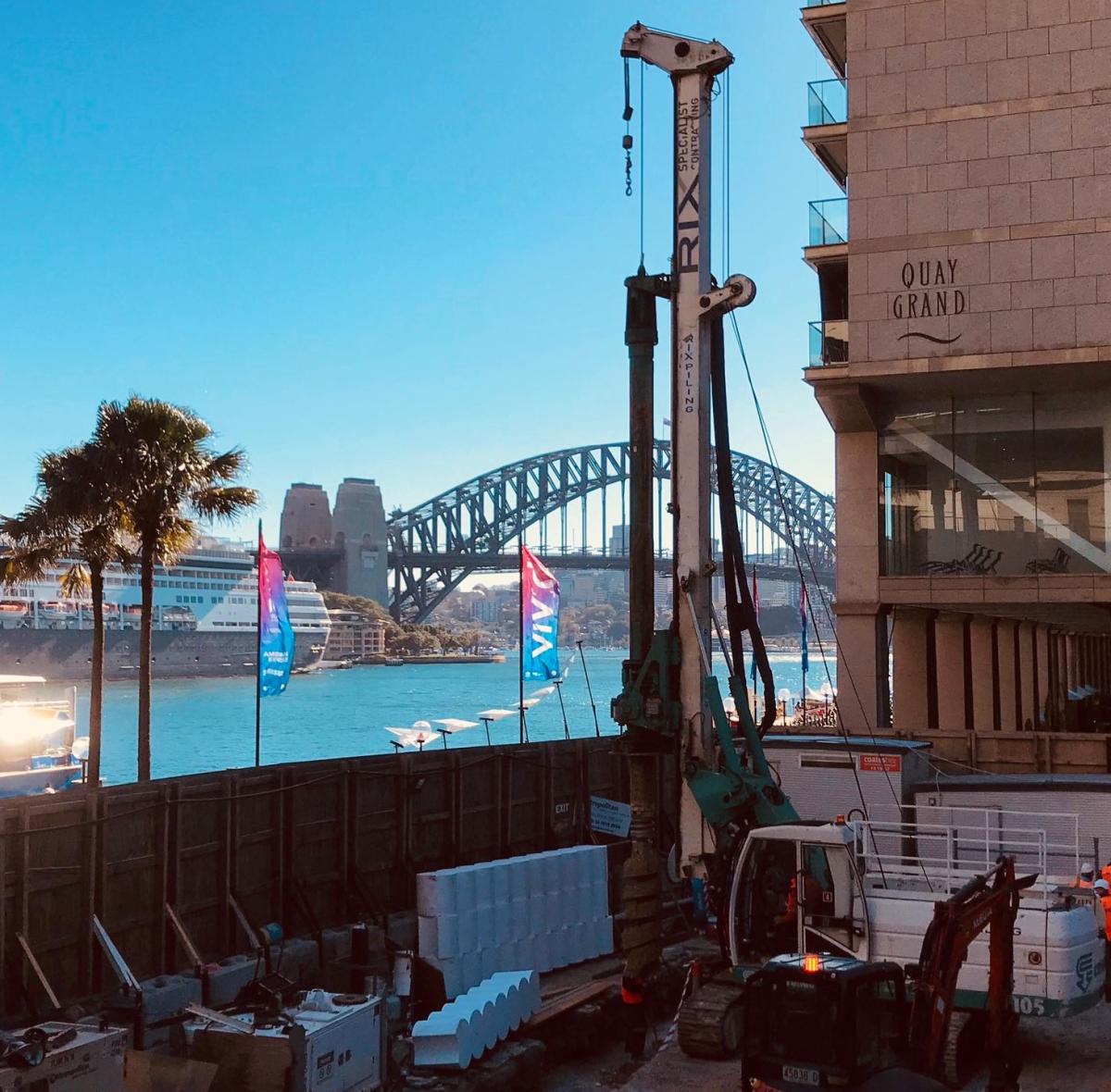
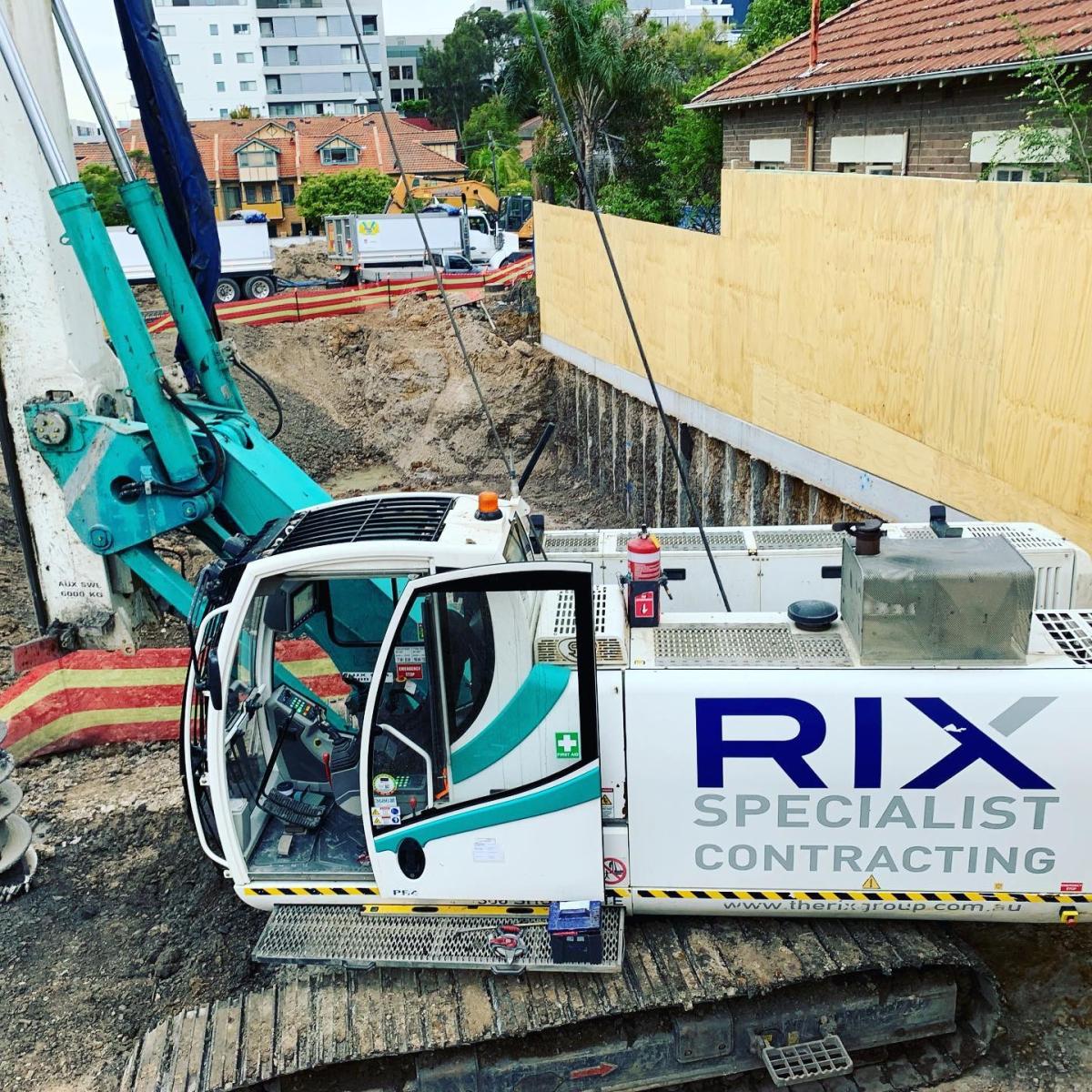
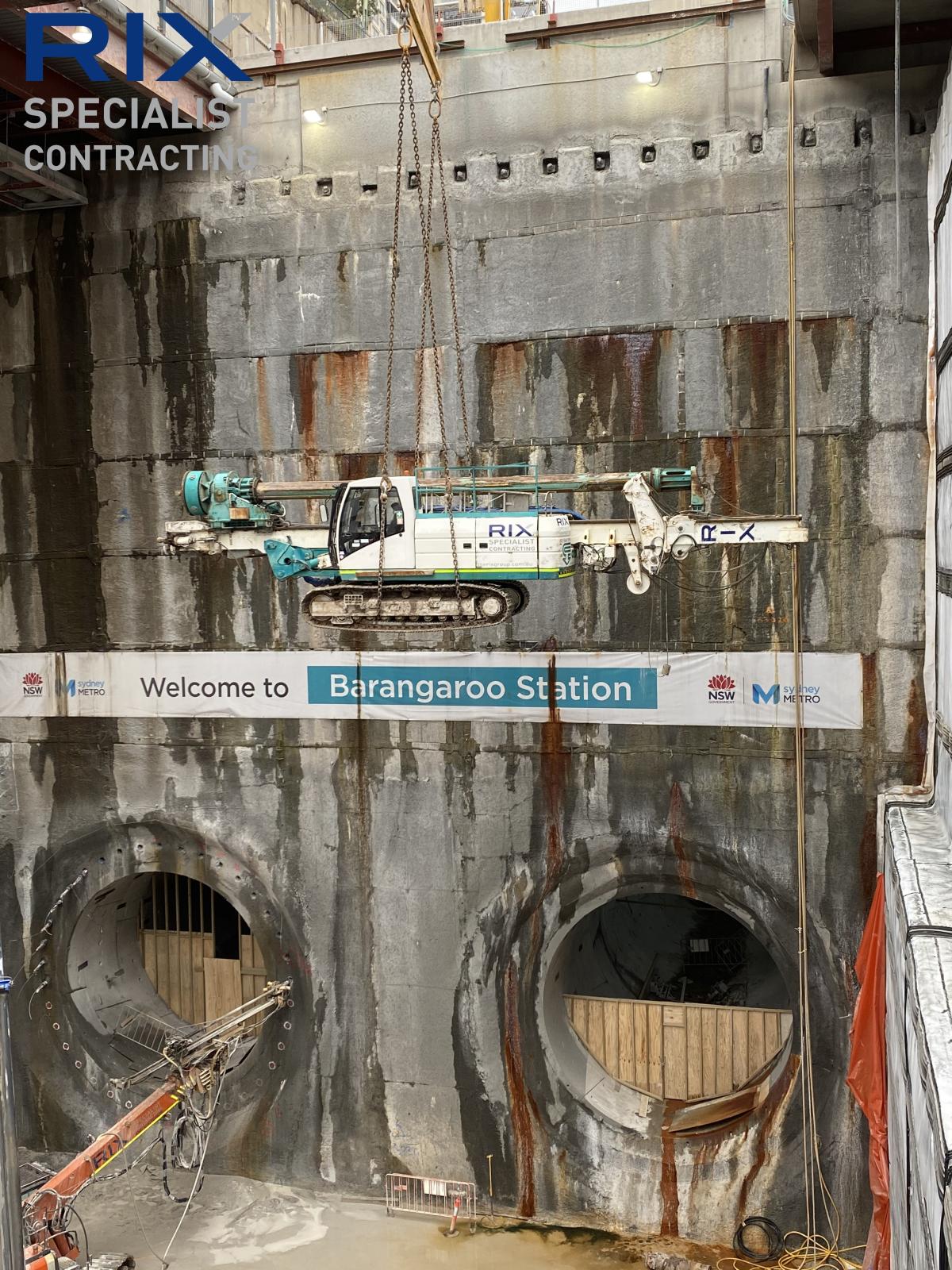
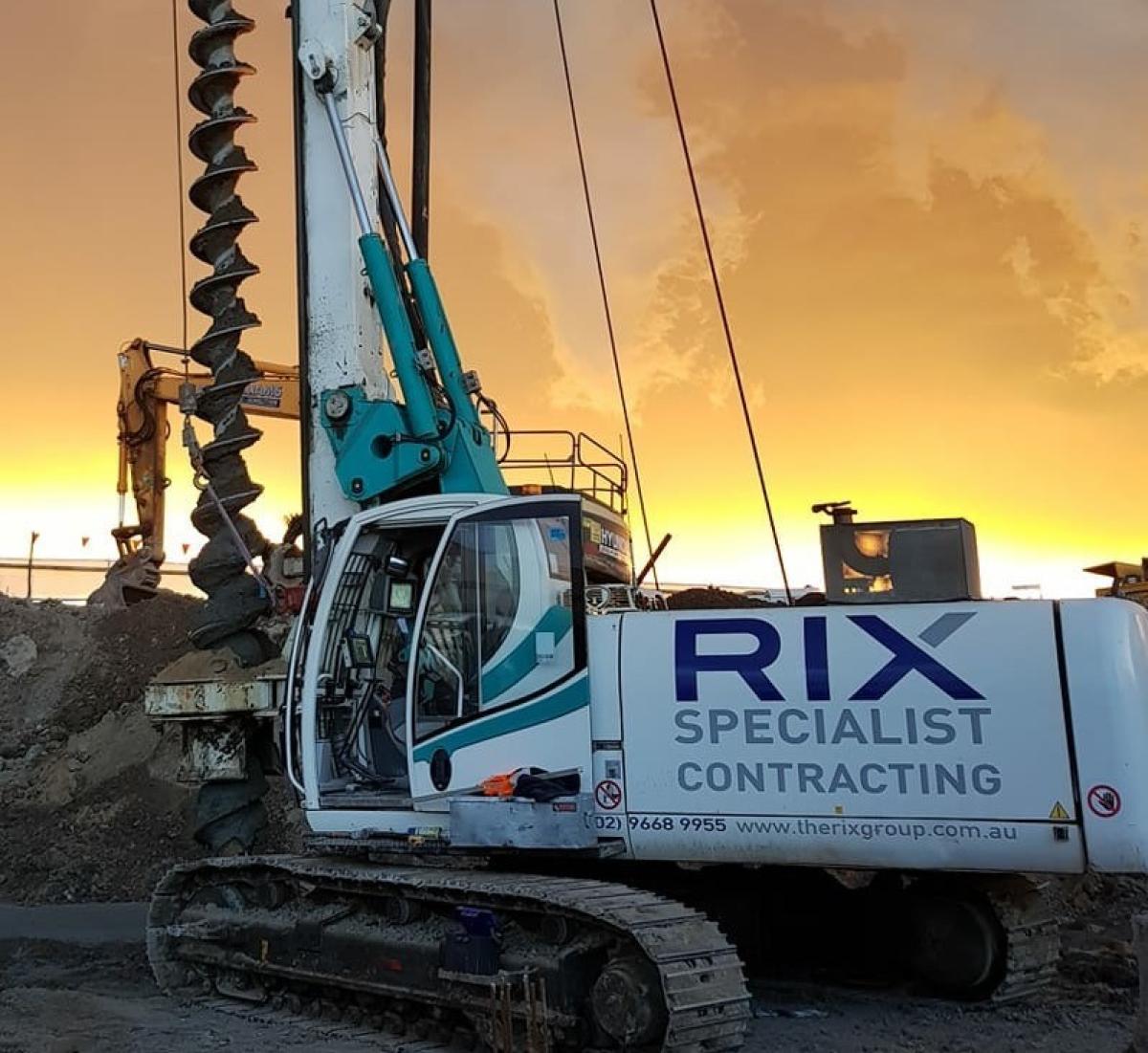
Discover an end-to-end sheet piling solution for commercial, industrial, and civil projects. The RIX Group’s in-house engineering team, modern rigs and multi-skilled crews ensure direct control from design to installation. With a focus on safety, accuracy and efficiency, we know what it takes to tackle the most difficult ground conditions, marine locations, and limited access sites.
Contact Our Sheet Piling Contractors
Need a quote or do you have a general enquiry? Please complete our online form, and one of our team members will be in touch.
The Advantages Of Sheet Piling
Superior Sustainability
Maximise material reuse and reduce waste. Steel sheet piles can be extracted, inspected and redeployed across multiple temporary works projects, extending their service value. At end of life, this steel can be fully recycled. Plus, driven installation generates less spoil than bored piles.
Versatile Design
Tackle complex ground conditions and layouts. Sheet piles are available in a range of profiles, lengths and steel grades to meet specific structural and site demands. Custom junctions, corner sections and combined wall systems support efficient solutions for varied geometries and higher load requirements.
Groundwater Control
Achieve reliable groundwater control and excavation stability. Interlocking sheet piles form a continuous barrier that restricts water ingress and retains surrounding soils. Where tighter control is required, sealed or welded interlocks can further improve resistance to seepage.
Durable Construction
Invest in long-term performance in demanding environments. Properly designed steel sheet pile walls can achieve decades of service life across marine, coastal and inland applications. Corrosion is managed through coatings, increased section thickness or cathodic protection.
Temporary & Permanent Works
Install piles to support both temporary works and permanent structures. Sheet piling can be installed for short-term excavation support and later extracted for reuse, improving project efficiency. Alternatively, it can remain in place to provide long-term earth retention and groundwater control.
Community-Friendly Installation
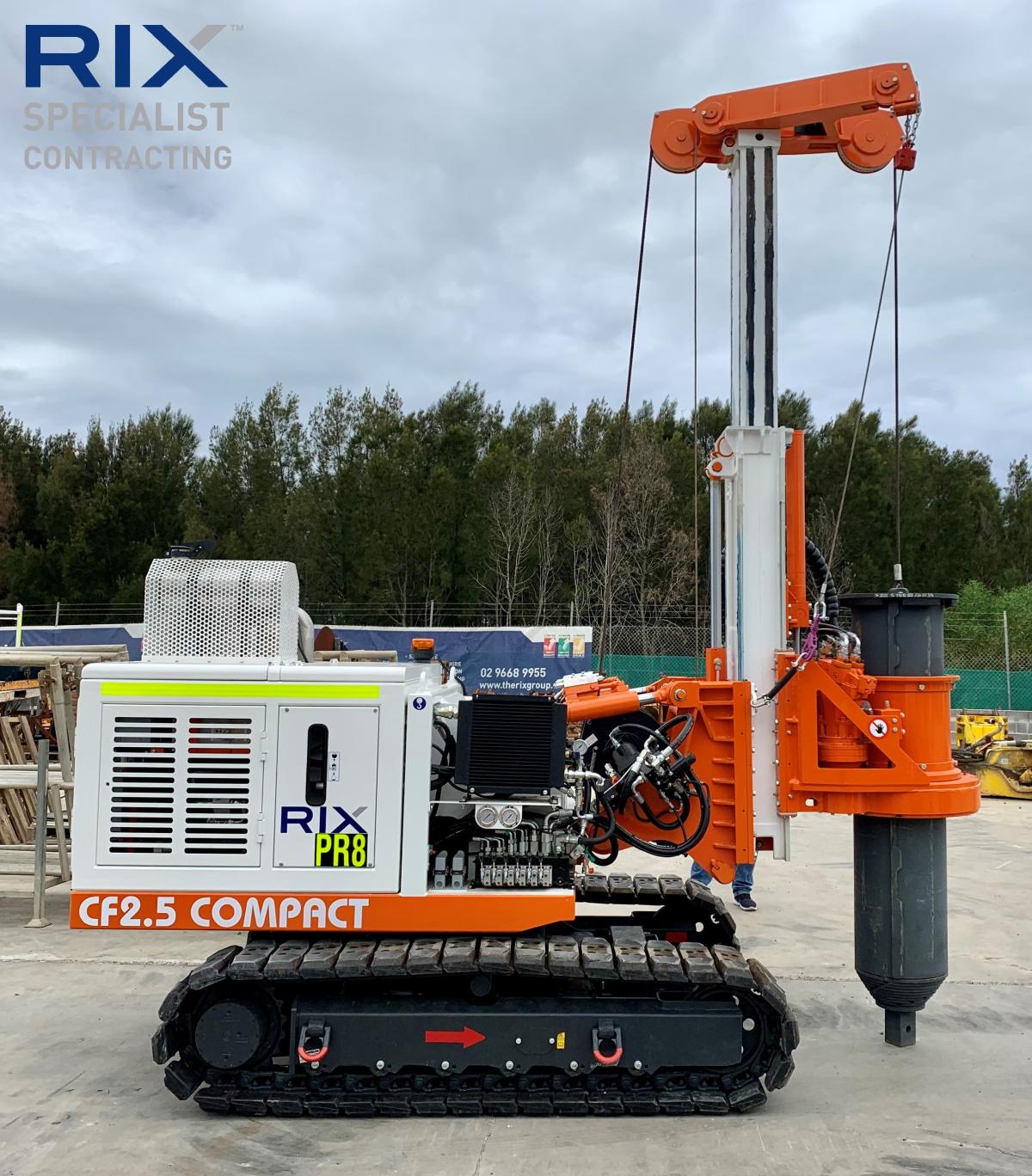
Minimise disruption to surrounding communities with hydraulic press-in installation. This low-noise, low-vibration method reduces the impact on nearby residents, businesses and public spaces while helping maintain safe access and day-to-day operations.
Cost-Effective Support
Reduce programme time and overall project costs. Fast installation, minimal excavation and reusable materials contribute to efficient construction delivery. In permanent applications, sheet piles can act as both temporary support and the final retaining structure, eliminating the need for additional systems.
For All Ground Conditions
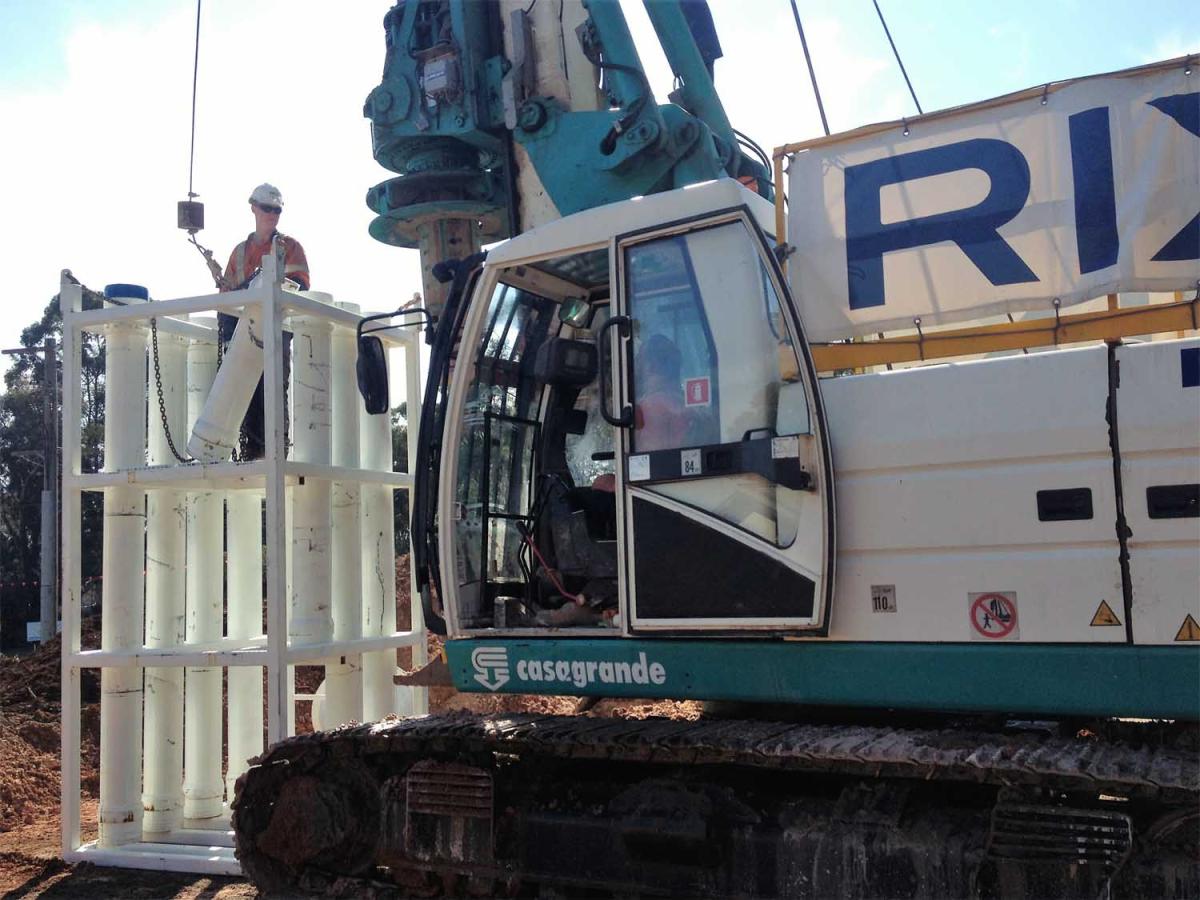
Ensure reliable performance in a range of ground conditions. Sheet piles can be installed using vibratory, impact and press-in techniques, depending on site requirements. Ground improvement or pre-drilling assists in more challenging soils, with obstructions and rock requiring careful assessment.
Our Sheet Piling Process
We manage the complete sheet piling process in-house, from design and fabrication through to installation and certification.
1. Site Survey
We conduct a detailed site assessment to define access, working space, ground conditions, pile alignment and surrounding structures before design begins. This upfront analysis equips our engineers with the critical data needed to design a safe, efficient and fully buildable solution.
2. Design
Our engineers develop a sheet piling system to suit the site conditions, design loads, excavation depth and required service life. We specify the pile section, embedment depth, wall alignment and any anchors, walers or bracing needed to control movement.
3. Fabrication
We fabricate sheet piles, capping beams, walers, corner sections and other steel components to the approved specifications. Our in-house capability gives us direct control over dimensions, welding, quality and delivery timeframes, equipping you with custom components faster.
4. Scheduling
We lock in pile quantities, plant, accessories, documentation and timelines before mobilisation. The installation program is structured around survey controls, inspection points, excavation stages and coordination with other trades. This ensures materials arrive in sequence and are ready for deployment.
5. Site Preparation
We establish a safe, stable and fully accessible work area for sheet piling operations. This includes clearing obstructions, verifying service locations, and improving access. Guide frames or temporary walers are installed as required to maintain precise wall alignment from the outset.
6. Installation & Interlocking
We install each sheet pile to the surveyed line and specified depth with strict control of alignment and verticality. Installation methods are selected to suit ground conditions and site constraints, including vibratory, impact, press-in or pre-drilling techniques. Interlocking piles form a continuous wall that retains soil and limits groundwater ingress.
7. Anchoring & Bracing
We install anchors, tie rods, walers or internal struts where additional lateral support is required. These systems manage soil and water pressures, control wall movement and enable deeper excavations. Each support level is installed in sequence with excavation to maintain structural stability at all stages.
8. Inspection & Certification
We assess the sheet piling against its approved design, specified levels and installation tolerances. Documentation may include installation records, material certificates, survey data, weld records and as-built drawings. Where required, we can issue a certification confirming the work meets project and compliance criteria.
Australia’s Sheet Piling Specialists
Decades of Experience
Ensure accuracy, agility and alignment with the approved design. With extensive experience across civil, infrastructure, and marine piling projects, we understand the practical demands of handling, alignment control, driving tolerances, interlock engagement and staged excavation support.
Site-Specific Sheet Piling
Gain a practical solution for cofferdams, seawalls, basements, cut-off walls and temporary excavations. We design each sheet pile wall to suit retained height, excavation depth, groundwater and ground conditions to meet performance requirements.
Innovative Solutions
Be confident in the quality of every sheet pile installation. We combine advanced equipment with continually refined techniques to improve accuracy, efficiency and site control. Our approach helps minimise refusal, optimise installation and reduce noise, vibration and disruption to surrounding areas.
FAQs
What is sheet piling?
Sheet piling is a ground-retention system formed by driving interlocking sections vertically into the ground to create a continuous wall. It retains soil, supports excavations and controls groundwater movement in civil, marine and infrastructure projects.
Steel is the most widely used material because it combines high structural capacity with fast installation and a relatively small construction footprint.
Depending on the design, sheet pile walls can support temporary works such as trenches and cofferdams or remain in place as permanent seawalls, basement walls, bulkheads and flood barriers.
Where greater seepage control is required, the interlocks can be sealed or welded to reduce water flow through the wall.
What are the most common sheet piling applications?
Sheet piling is widely used to retain soil, support excavations, and restrict groundwater flow.
Common applications include:
- Basement and underground car park excavations
- Cofferdams for bridge piers, pile caps and marine foundations
- Seawalls, quay walls, bulkheads and ferry terminals
- Flood barriers and riverbank protection
- Pipeline, culvert and service-trench excavations
- Groundwater cut-off walls
- Contaminated-soil containment
- Dredging and land reclamation works
- Temporary jetties, working platforms and access structures
Its narrow wall profile makes sheet piling particularly effective on constrained sites where conventional battered excavations would require too much space.
What are cold-rolled versus hot-rolled sheet piles?
Hot-rolled and cold-formed sheet piles differ in how they are manufactured, their section properties and the applications they suit.
Hot-rolled sheet piles are formed at high temperatures and typically feature heavier sections, tighter interlocks and higher structural capacity. Our engineers often specify them for permanent retaining walls, deep excavations, marine structures and projects exposed to substantial soil or water pressure.
Cold-formed sheet piles are shaped from steel coils at room temperature. They are generally lighter and may provide a more economical option for temporary works, moderate retaining walls, flood protection and less demanding marine applications.
Ultimately, selection must account for design loads, wall depth, ground conditions, water pressure, corrosion exposure, installation method and service-life requirements.
What are the most common issues in sheet piling design?
Common sheet piling design issues include insufficient geotechnical information, incorrect pile selection, excessive wall movement, inadequate embedment and poor construction sequencing.
A sound design must account for soil and groundwater pressure, tidal variation, excavation depth, nearby structures, surcharge loads, corrosion exposure and the need for anchors, walers or internal bracing.
Installation conditions also influence performance. Dense soils, rock, boulders and buried obstructions can cause refusal, damage interlocks, or force piles out of alignment. Restricted access may limit plant selection and reduce installation efficiency.
Early geotechnical investigation and contractor involvement help identify these risks before construction begins, reducing redesign, delays and unnecessary cost.
Do your sheet piling services meet Australian Standards?
Yes. We design and install sheet piling in accordance with relevant Australian Standards. Depending on the scope, these standards may include:
- AS 2159 for piling design and installation
- AS 4678 for earth-retaining structures
- AS 4100 for structural steelwork
- AS/NZS 1554.1 for structural steel welding
- AS 4997 for maritime structures
Every project is grounded in rigorous documentation, including piling layouts, design loads, installation records and certification where necessary.
Specified testing and verification can also form part of the project quality plan.
How long does a sheet piling project typically take?
The duration of a sheet piling project depends on the scale of the works, site constraints and installation complexity.
Key factors include:
- The number, length and section of the piles
- Soil, rock and groundwater conditions
- Site access and available working area
- Plant selection and installation method
- Tidal, environmental or operating restrictions
- Welding, sealing, anchoring and bracing requirements
- Inspection and testing hold points
- Coordination with excavation and other trades
Before mobilisation, we assess these requirements and prepare an installation program that aligns with the wider construction schedule.
Can you work alongside external project teams?
Yes. Sheet piling often forms part of a broader civil, structural or marine construction program.
Where required, we can work directly with principal contractors, third-party engineers, surveyors, dredging crews, crane operators, service contractors, asset owners and port authorities.
This clear coordination can reduce trade conflicts, protect completed work and keep the sheet piling package aligned with critical project milestones.
Do you provide sheet piling services throughout Australia?
Yes. We install sheet piling across Australia and the Asia Pacific. Contact our expert team to determine the right solution for your site and project requirements.
Contact The RIX Group
Need a quote or do you have a general enquiry? Please complete our online form and one of our team members will be in touch.