Secant Piles
Overview
Support Groundwater Control And Stability On Complex Sites.
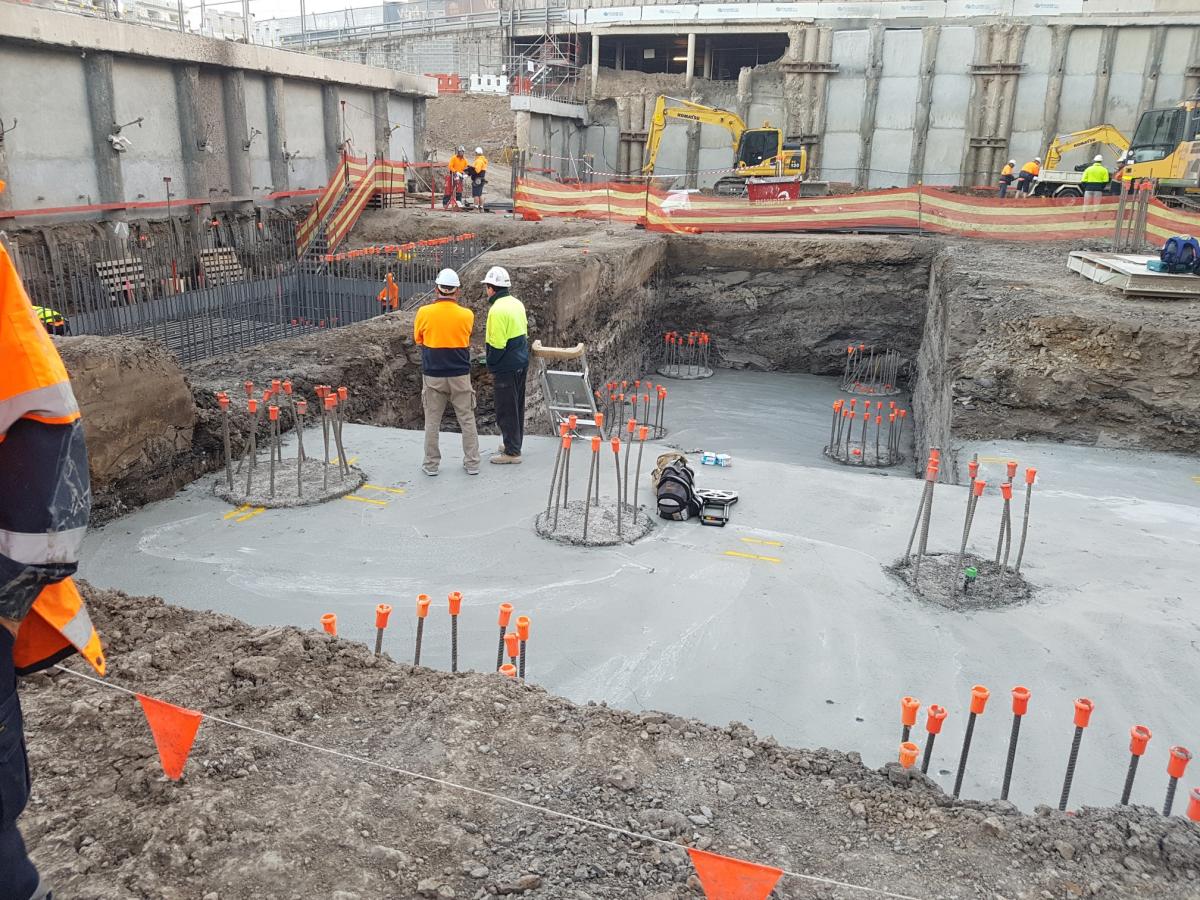
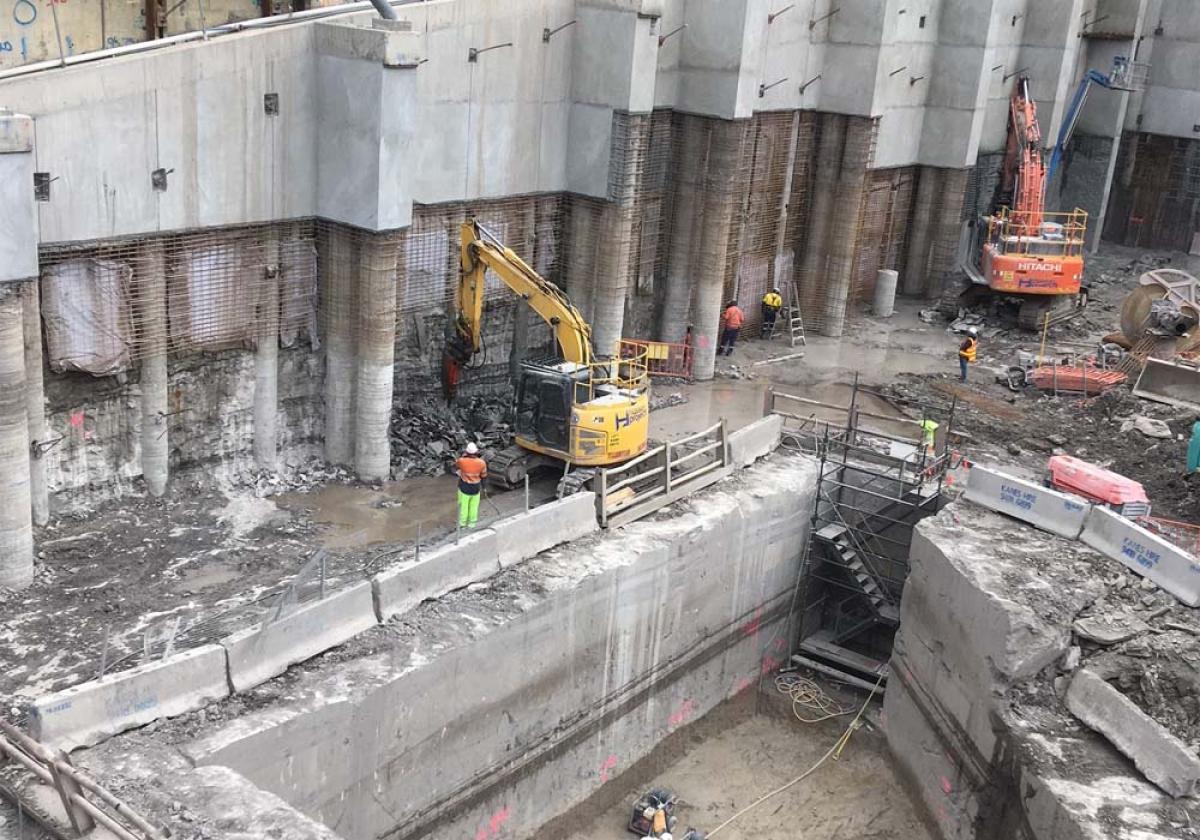
Secant piles overlap to form a continuous retaining wall, creating strong ground support while limiting the movement of soil and groundwater. Ideal for deep excavations and complex infrastructure, secant pile walls can be designed as cantilevered or propped systems.
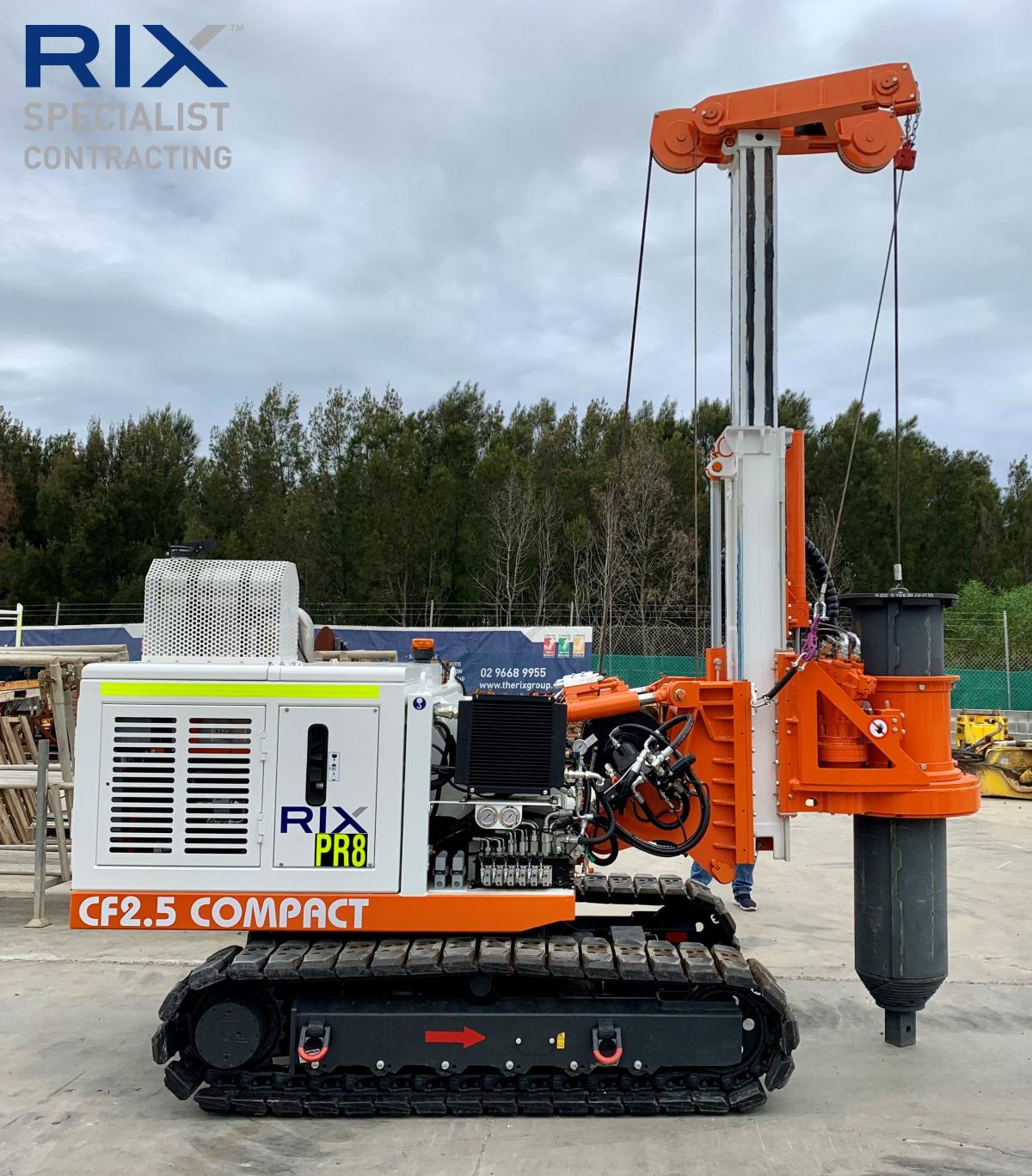
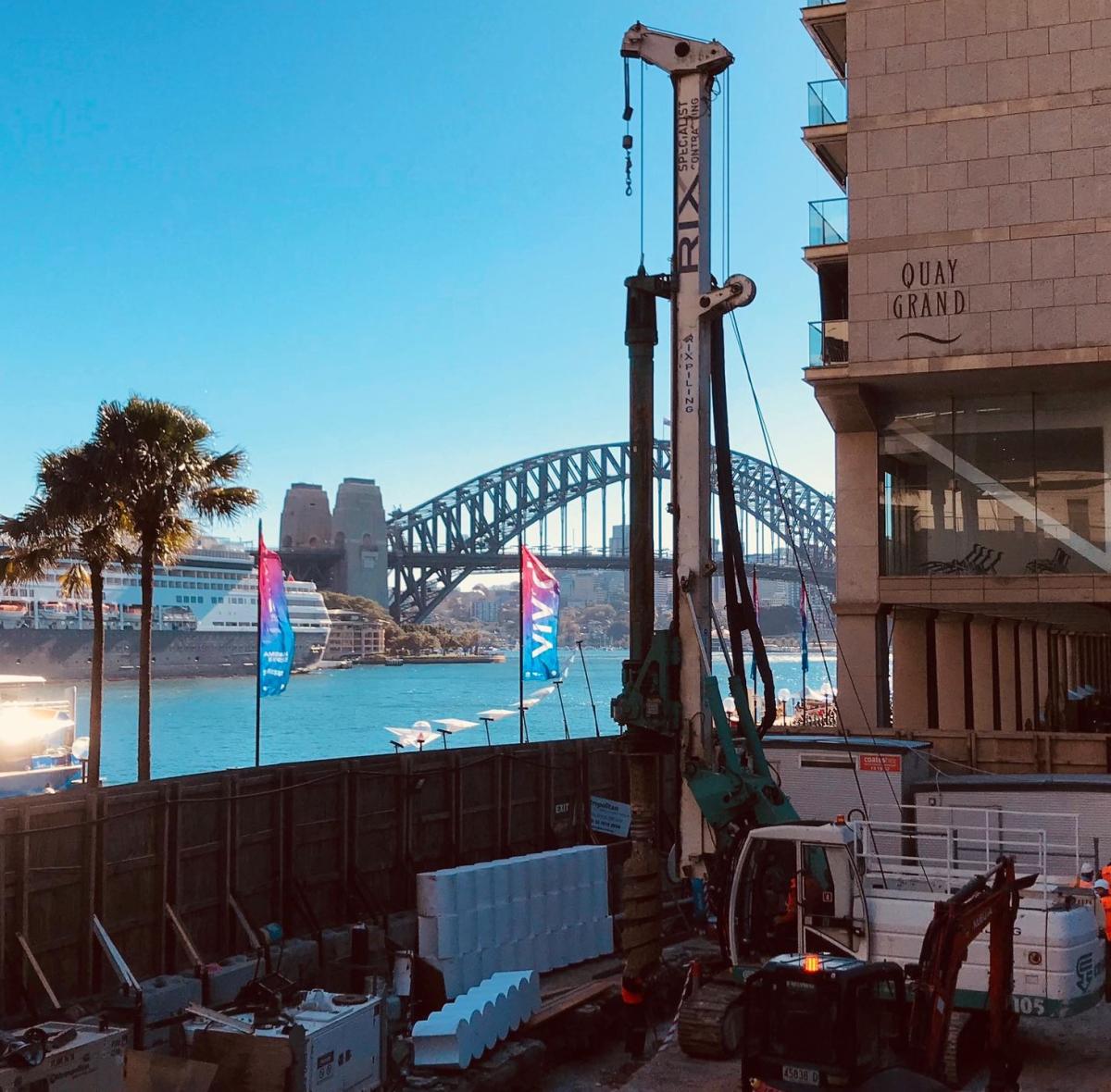
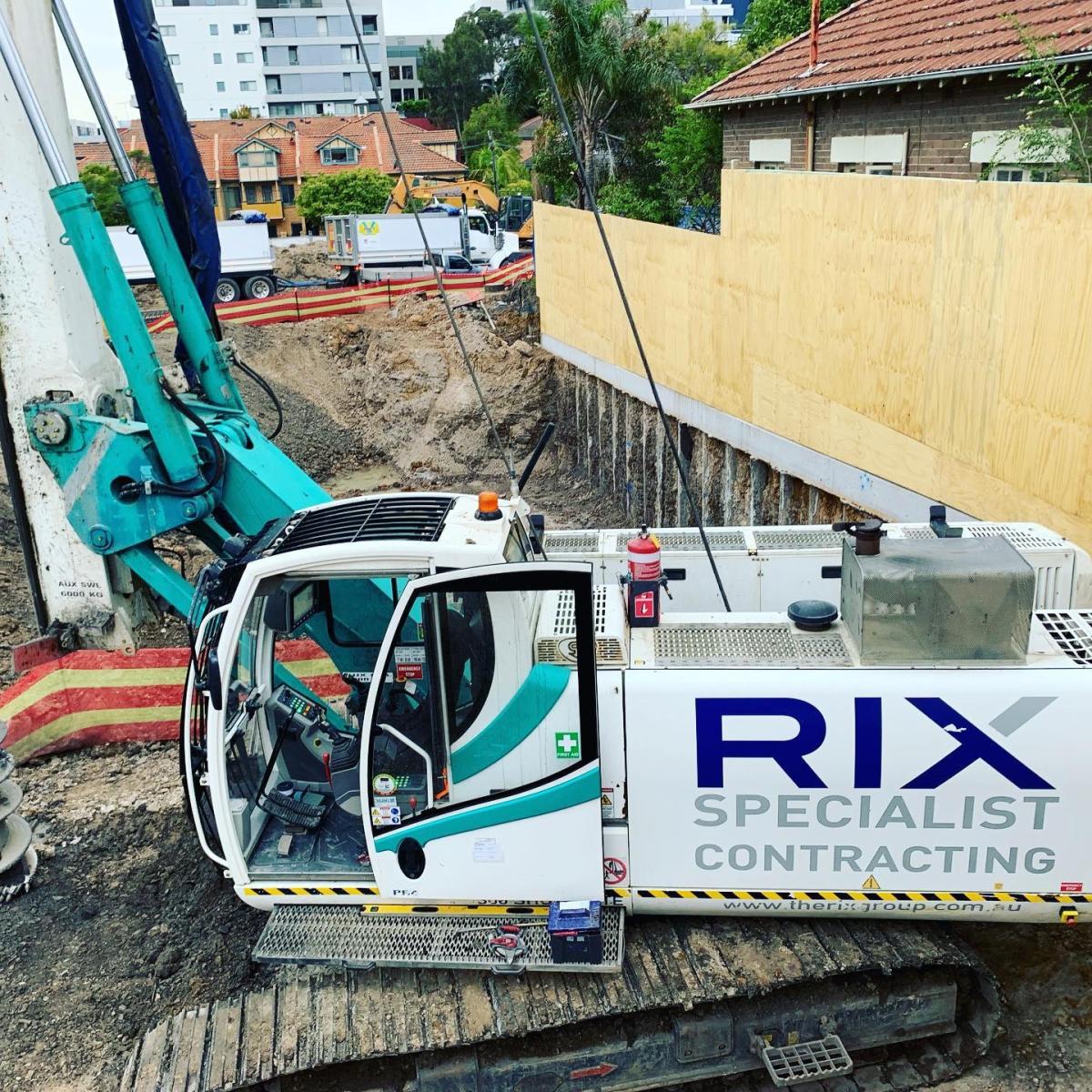
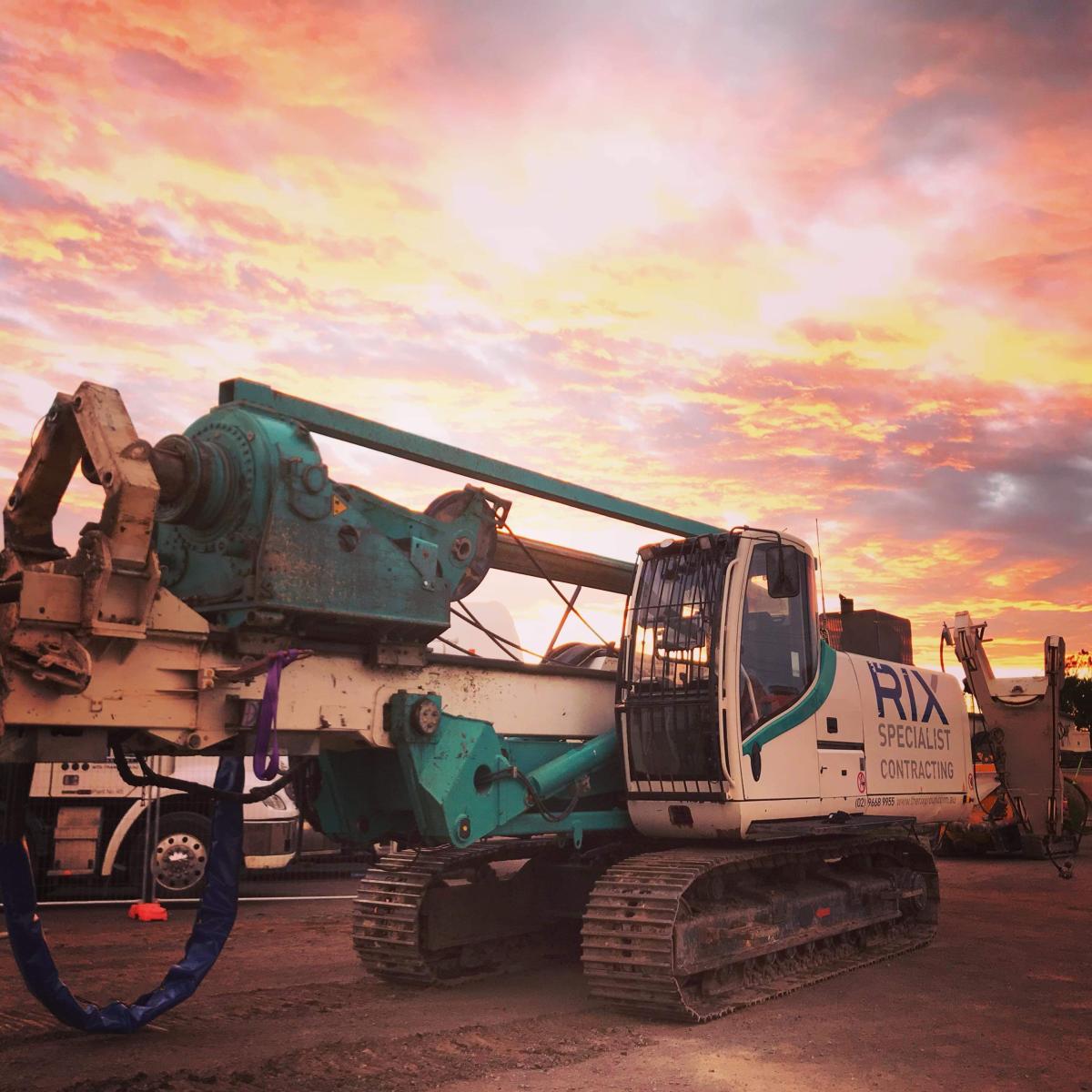
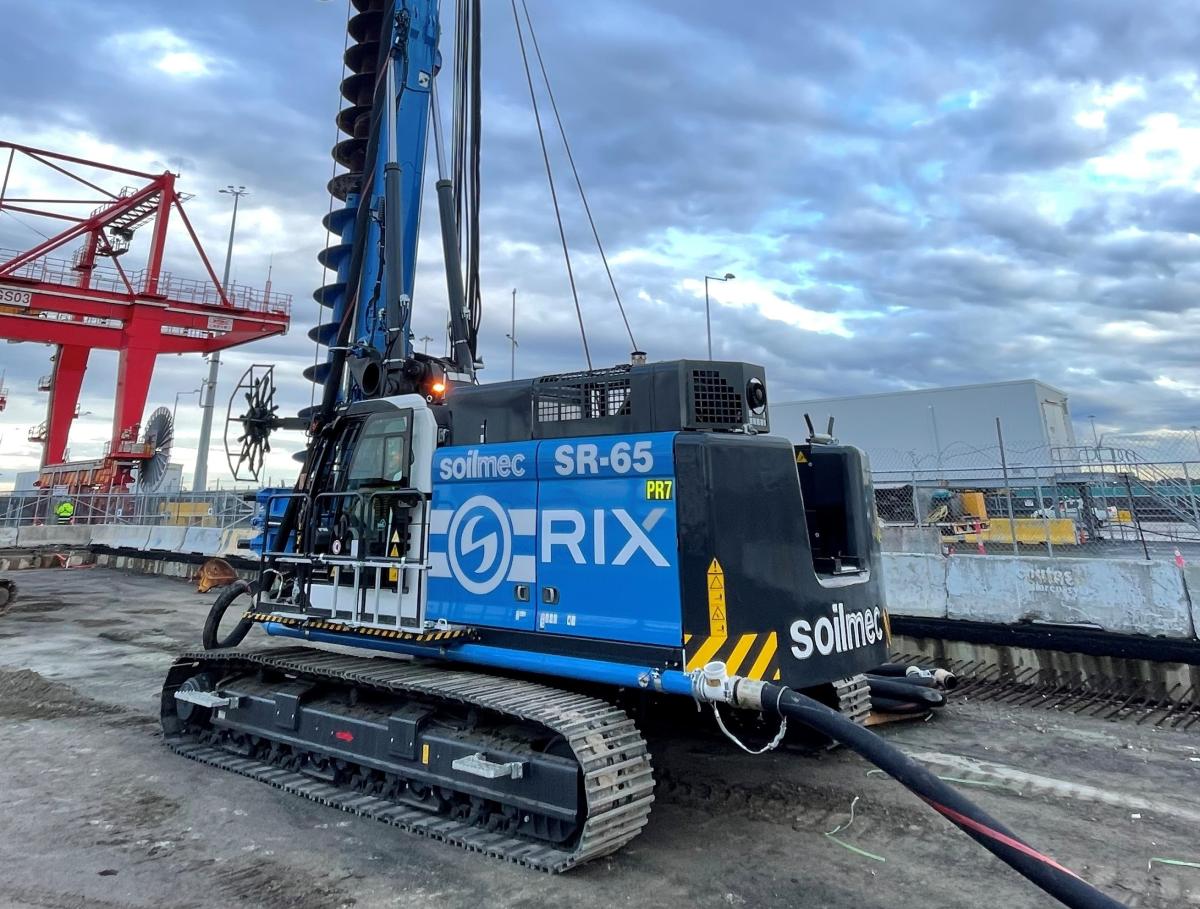
Achieve safe and efficient secant piling in the toughest site conditions with The RIX Group. For decades, we have delivered secant piles for commercial, industrial and civil construction projects across Australia and the Asia Pacific. Dedicated to excellence, our in-house engineers, modern piling rigs and experienced crews ensure precise control over pile position and verticality while meeting the specified structural requirements.
Contact Our Secant Piling Contractors
The Benefits Of Secant Piling
Maximise Space Up To Site Boundaries
Secant pile walls can be installed close to site boundaries, allowing basements and other below-ground structures to extend across more of the available site footprint. This is particularly valuable on constrained urban sites where there is limited room for battered excavations or conventional retaining systems.
Support Loads From Adjacent Structures
Secant piling forms a stiff retaining system capable of resisting lateral earth pressures and imposed loads from nearby buildings, roads and other structures. Depending on excavation depth, ground conditions and loading requirements, the wall can be designed as a cantilevered, anchored or propped system.
Reduce Vibration And Noise
As secant piles are bored rather than driven, installation typically generates less vibration than sheet pile walls. As a result, secant piling is well suited to sensitive sites near existing buildings, roads, rail corridors, utilities and other infrastructure where ground movement and noisy construction need to be carefully controlled.
Support Complex Infrastructure
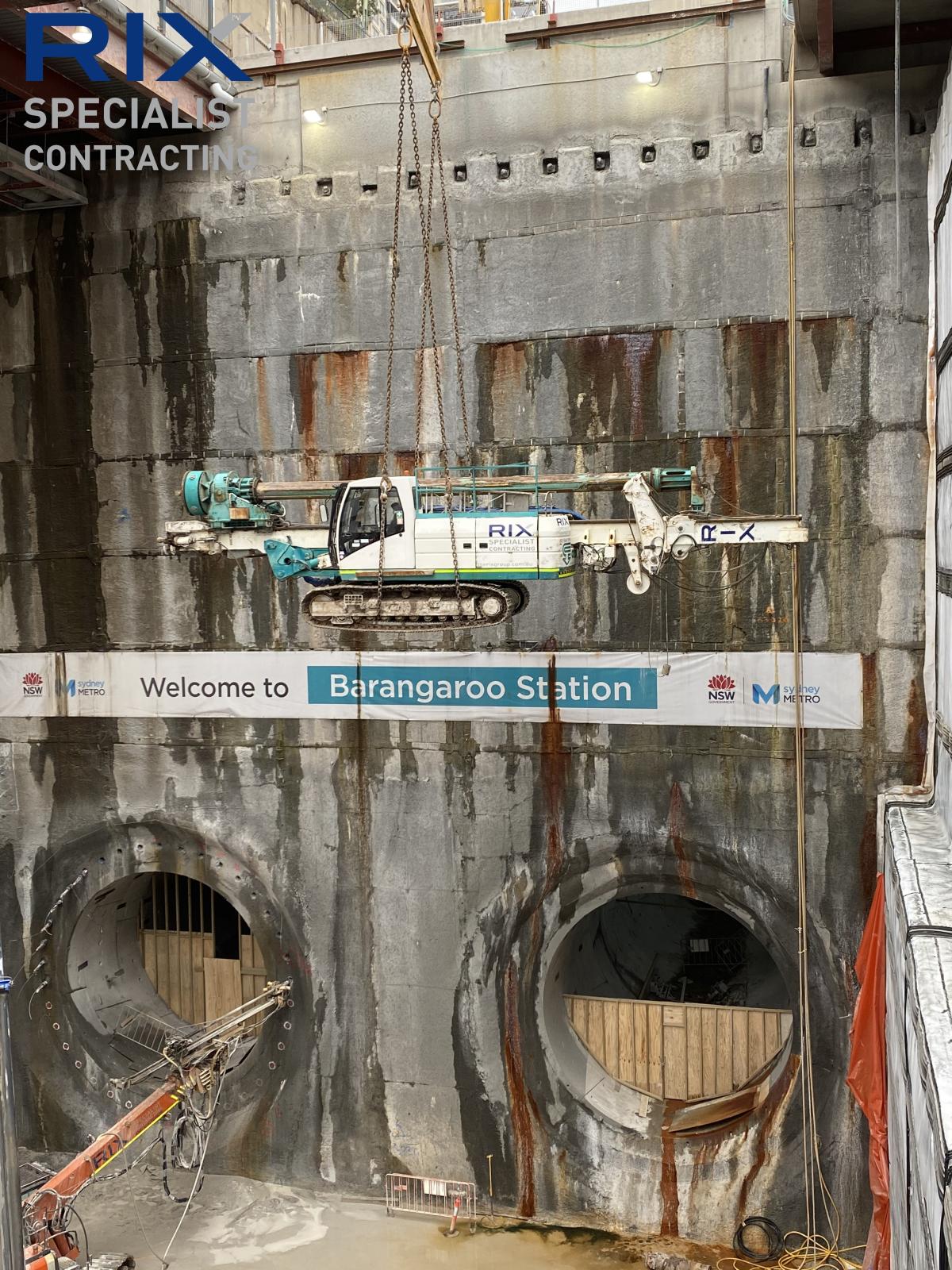
From depth and alignment to reinforcement and support, secant pile walls can be engineered for complex excavation, structural and groundwater conditions. This flexible piling is a strong solution for basements, tunnels, shafts, transport infrastructure, marine works and other technically demanding projects.
Stabilise Difficult Ground Conditions
Secant pile walls can be installed in a wide range of ground conditions, including sands, gravels, layered soils, cobbles and boulders. This adaptability makes it a practical option for sites with variable geology, groundwater or difficult founding conditions that may limit other retaining wall systems.
Control Groundwater Ingress
Overlapping piles form a continuous barrier that can significantly restrict groundwater movement into an excavation. Therefore, this technique is particularly useful for basements, shafts, cut-off walls and projects affected by high groundwater levels.
Cut Project Costs
A secant pile wall can provide earth retention, groundwater control and permanent structural support within a single system. This streamlined approach can reduce the need for separate temporary retaining works, extensive dewatering measures and other project costs.
Our Secant Piling Process
Discover our typical process for installing a hard/soft Continuous Flight Auger (CFA) secant pile wall. The exact secant piling method varies with the wall design, ground conditions and project requirements.
1. Site Preparation
We prepare a safe, stable working area for the piling rig and supporting equipment.
This includes confirming underground services, removing obstructions, establishing access and ensuring the working platform can safely support piling operations.
2. Guide Beam and Pile Set-Out
Accurate set-out is critical. A temporary guide beam, guide wall or template may be constructed along the wall alignment.
This controls pile position and spacing and assists with initial alignment, helping each secondary pile achieve the specified overlap with the neighbouring primary piles.
3. Primary Pile Installation
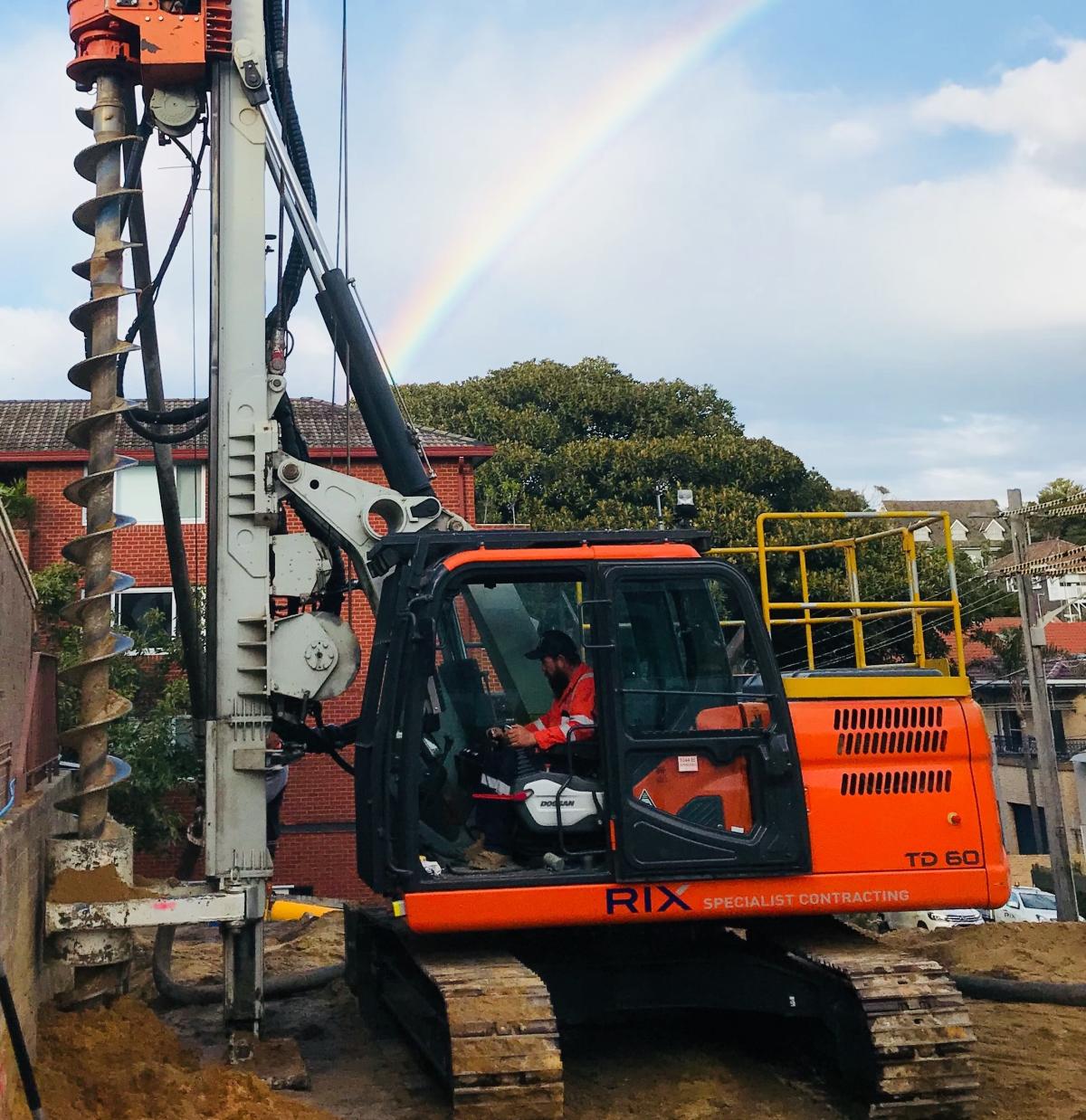
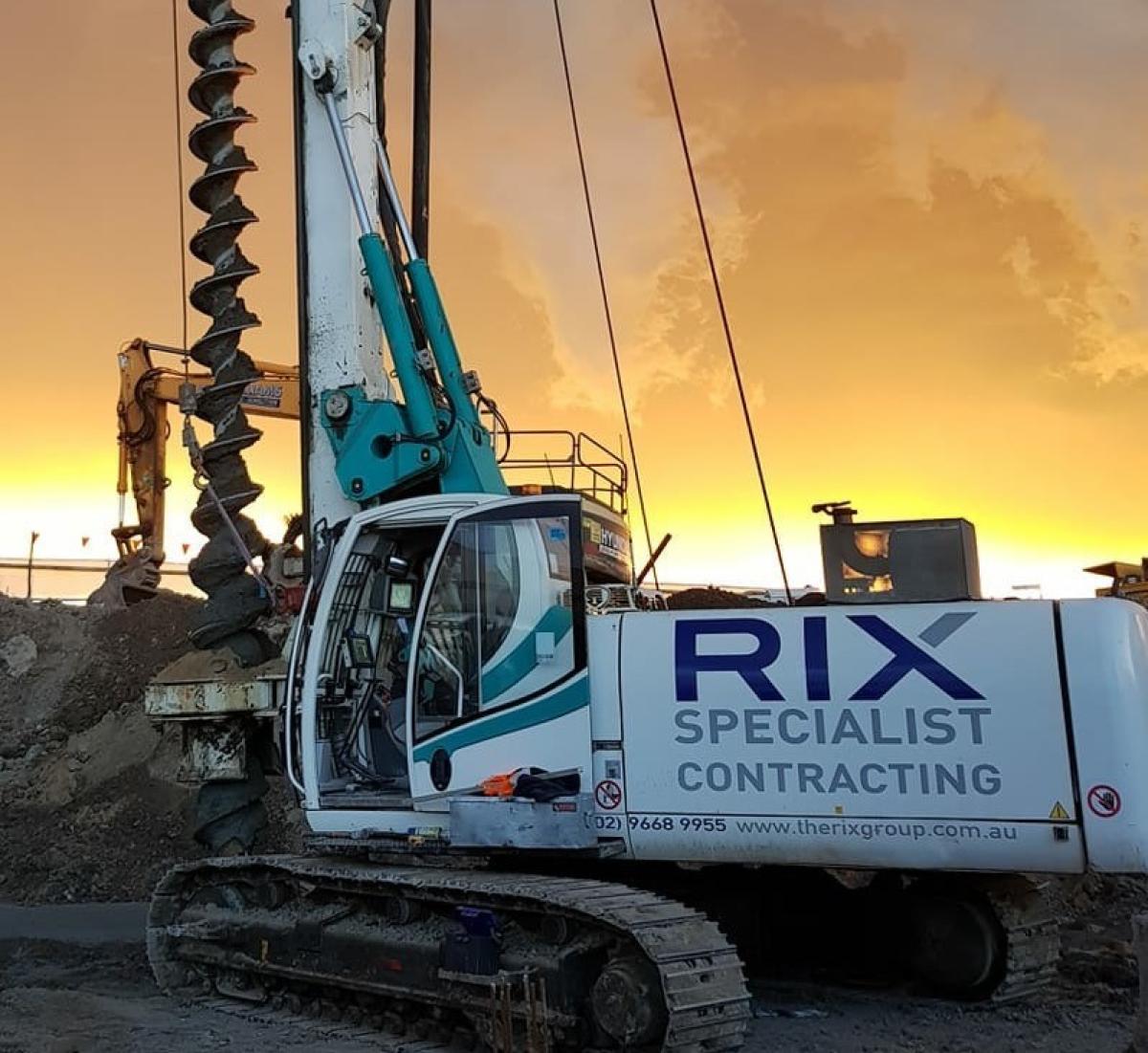
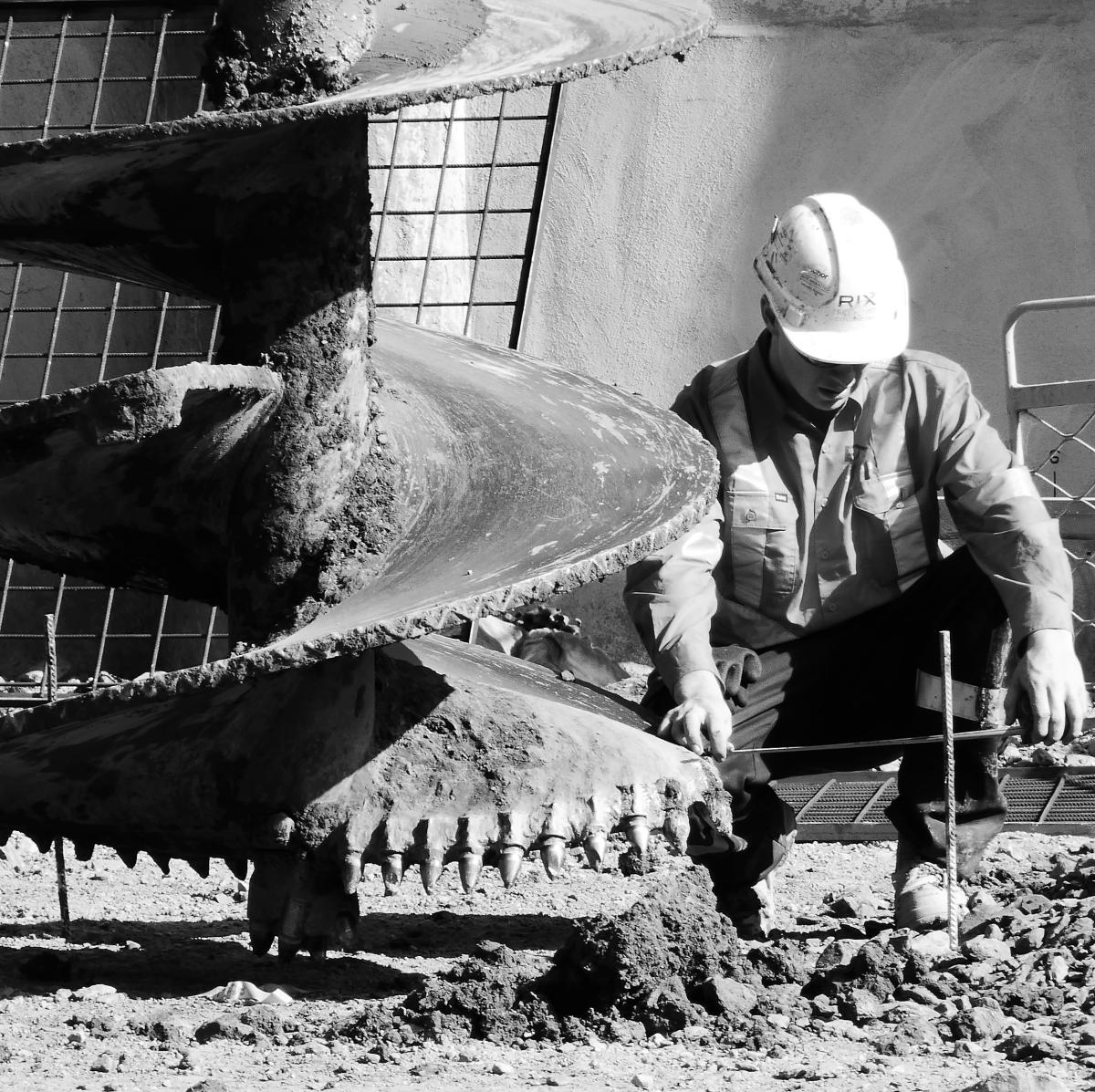
The primary, or female, piles are installed first at predetermined centres along the wall. A hollow-stem CFA drills each pile to the specified depth. As the auger is withdrawn, concrete or grout is pumped through the hollow stem to replace the excavated soil and form the pile.
In a typical hard/soft secant wall, the primary piles are generally unreinforced and use a lower-strength concrete or grout specified to allow the secondary piles to cut into them.
4. Primary Pile Strength Development
The primary piles are allowed to develop sufficient early-age strength before secondary pile installation begins.
Timing is carefully controlled so the piles remain stable during construction while still allowing the secondary piles to cut into their edges and achieve the specified overlap.
5. Secondary Pile Installation
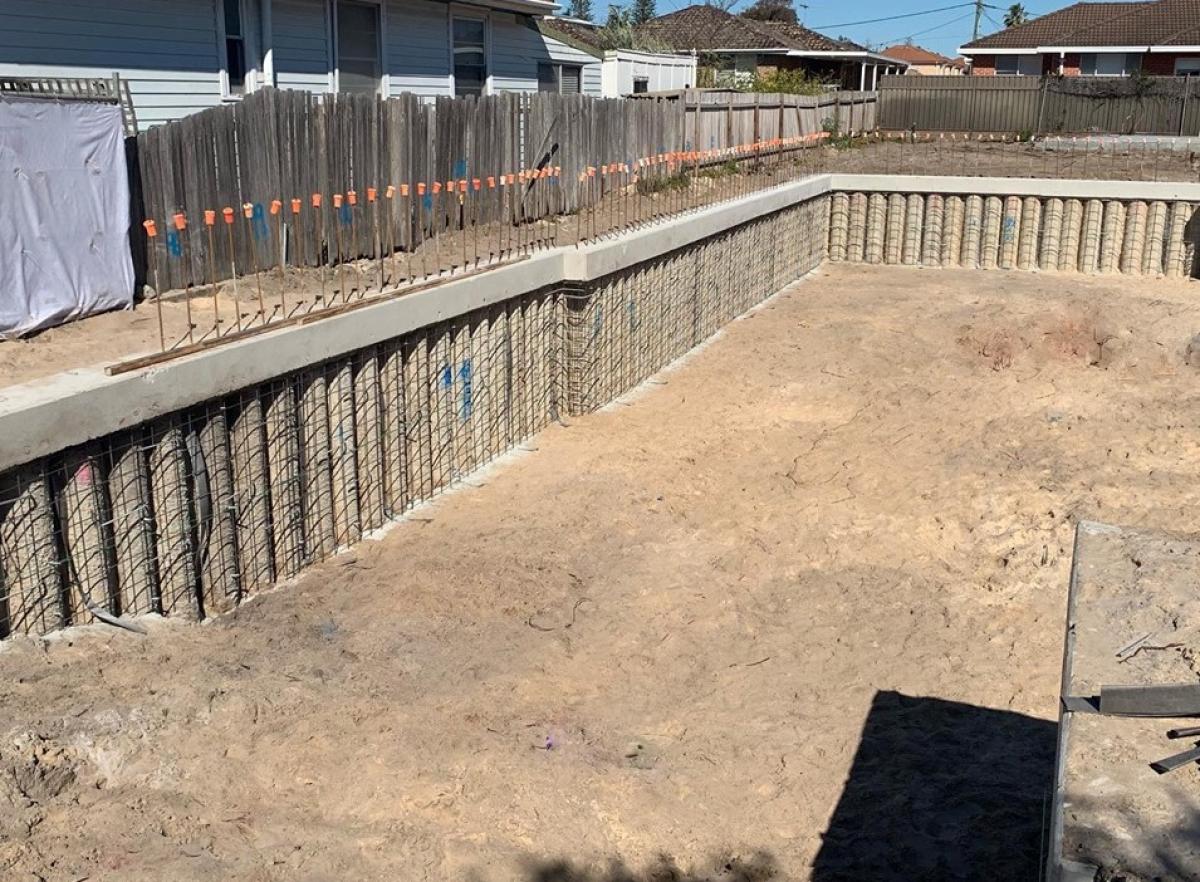
The secondary, or male, piles are drilled between the primary piles. Each secondary pile cuts into the adjoining primary piles on either side, creating the interlocking arrangement that forms the continuous secant pile wall.
Pile position, depth and verticality are closely controlled throughout drilling to maintain the specified overlap over the full depth of the wall.
6. Secondary Pile Reinforcement
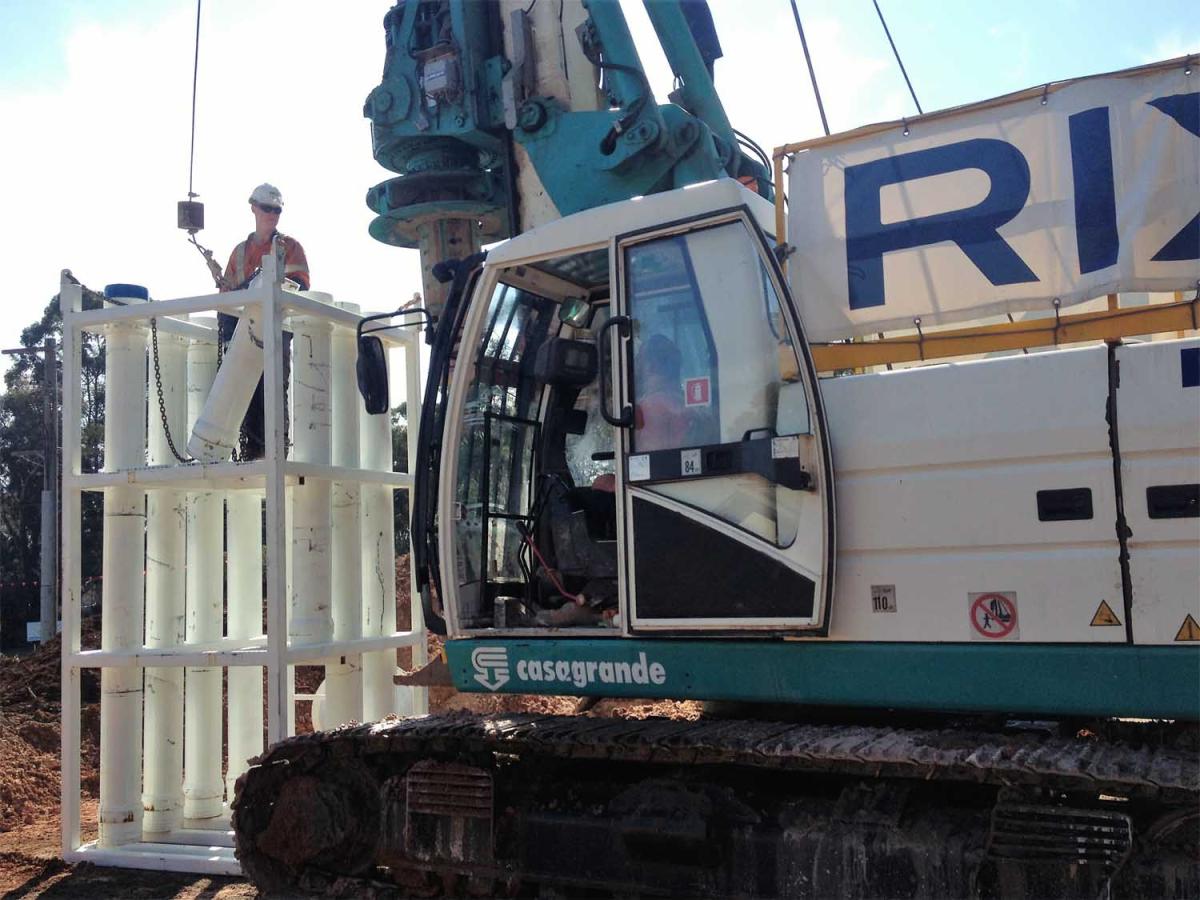
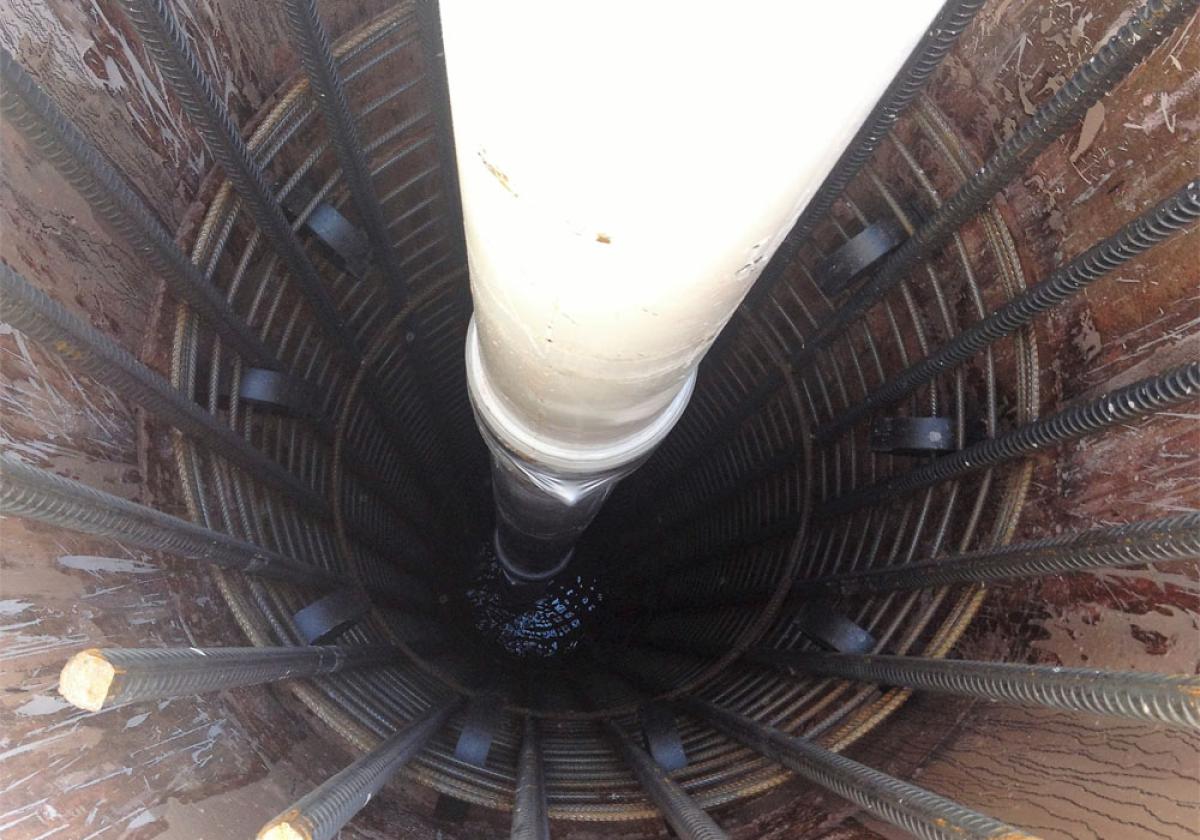
As the CFA auger is withdrawn, structural concrete is pumped through the hollow stem to form the secondary pile. While the concrete remains workable, a reinforcing cage or structural steel section is lowered into the pile to the required depth.
These reinforced secondary piles form the main structural elements of a typical hard/soft secant wall, resisting bending, shear and other design actions generated by retained ground, groundwater and imposed loads.
7. Additional Supports
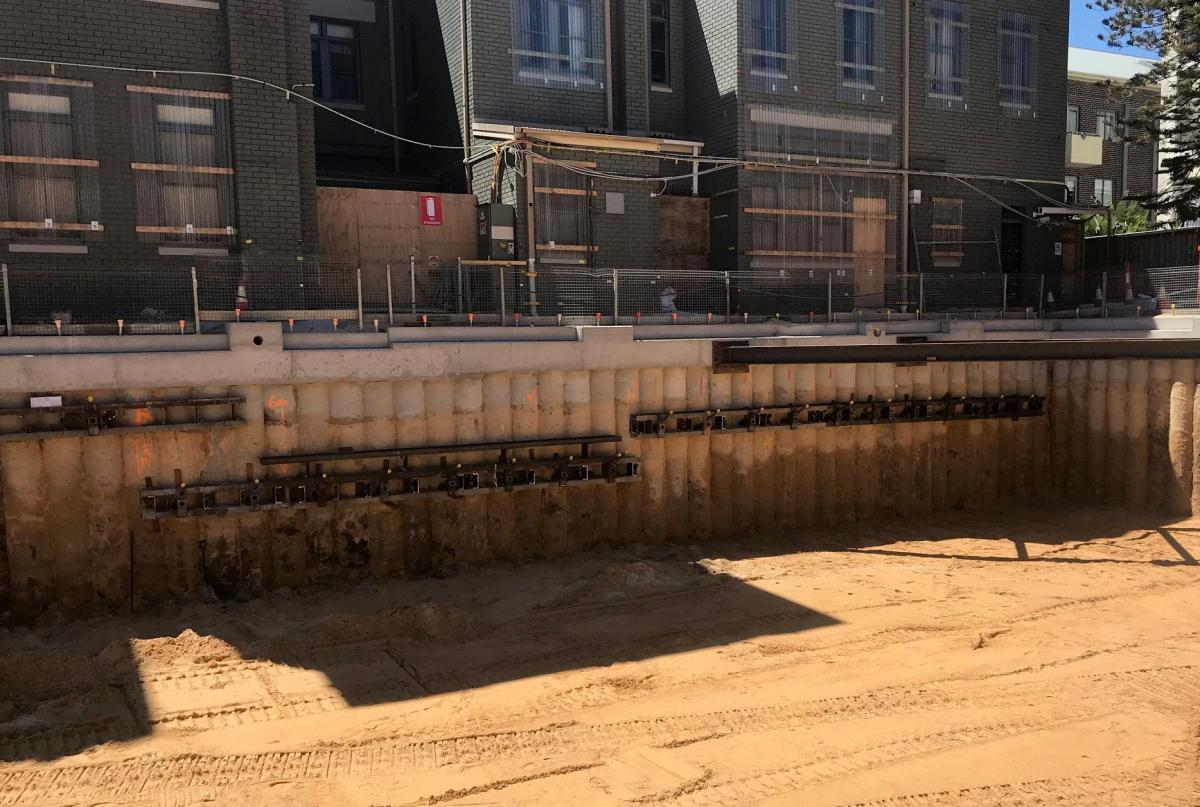
Depending on the design, the wall may act as a cantilever or incorporate anchors, props and walers to provide additional lateral restraint.
A reinforced concrete capping beam may also connect the pile heads and distribute loads along the wall.
8. Quality Assurance
Concrete testing, pile integrity testing, installation records and as-built surveys may be performed where specified and suitable for the pile system.
On completion, the required quality records and project documentation are compiled to demonstrate that the secant piling works meet the approved design and applicable project requirements.
Australia’s Secant Piling Experts
Decades Of Experience
Achieve accurate, stable secant pile walls in demanding ground conditions. We bring decades of piling experience to complex projects. Our crews understand how to manage difficult ground, restricted access, excavation sequencing and changing site conditions, so that you can keep secant piling works on program.
Engineered For Each Excavation
Ensure your secant pile wall is built to endure the specific demands of your site, including excavation depth, soil conditions, and imposed loads. We tailor pile diameter, depth, reinforcement, overlap and support requirements to meet structural and geotechnical demands.
A Commitment To Quality
Rest assured in effective ground retention and groundwater control. Secant walls rely on accurate pile position, verticality and overlap. We combine in-house engineering, modern piling rigs and experienced crews to maintain tight installation tolerances and create a continuous, structurally sound wall.
FAQs
What is a secant pile wall?
A secant pile wall is a retaining wall constructed from a series of intersecting, reinforced concrete piles. Primary piles are installed first, followed by secondary piles that are drilled between and into the adjoining primary piles to create a continuous wall.
In a typical hard/soft secant wall, the reinforced secondary piles provide the main structural capacity, while the primary piles help retain the surrounding soil and restrict groundwater movement.
Depending on the design, reinforcement can include steel cages or structural steel sections.
What is the difference between cantilever pile walls and secant pile walls?
A cantilever pile wall and a secant pile wall describe different aspects of a retaining system.
A secant pile wall refers to the construction method, where overlapping piles form a continuous wall. In contrast, a cantilever wall describes how the retaining wall is structurally supported.
Secant pile walls can themselves be designed as cantilevered systems, relying on pile stiffness and embedment below excavation level for support.
For deeper excavations or higher lateral loads, engineers may support the wall with ground anchors, props or other bracing systems. These elements can be designed and developed in-house at our steel fabrication facility.
The right design depends on excavation depth, ground conditions, groundwater, nearby structures, surcharge loads and allowable wall movement.
What are the most common secant piling applications?
Secant piling is often used for excavations that require strong earth retention and groundwater control, particularly in deep or constrained sites where ground movement must be carefully managed.
These walls also suit projects close to existing buildings, boundaries or infrastructure where excavation support and ground movement are critical design considerations.
Common secant piling applications include:
- basement and underground structure excavations
- deep excavation support
- temporary and permanent retaining walls
- groundwater cut-off walls
- tunnel and shaft construction
- bridge and transport infrastructure
- slope stabilisation
- civil and marine infrastructure works
What are primary (female) and secondary (male) piles?
Primary piles are the ‘female’ piles installed first when constructing a typical hard/soft secant pile wall. They are generally unreinforced and use lower-strength concrete because their main role is to fill the space between the structural piles and help retain soil and groundwater.
Secondary piles are the ‘male’ piles installed between the primary piles. Each secondary pile cuts into the adjoining primary piles to create the overlap that forms the continuous wall.
These secondary piles are typically reinforced with steel cages or structural steel and provide most of the wall’s structural capacity.
The exact reinforcement and concrete specification will depend on the secant wall design and project requirements.
How long does a secant piling project typically take?
The installation time for a secant pile wall depends on project size and complexity, including wall length and depth, pile diameter, ground conditions, groundwater, site access, reinforcement requirements and the number of piling rigs.
Before mobilisation, our team will assess site conditions, piling requirements and construction interfaces to develop a program that aligns with your overall project schedule.
Can you work alongside external project teams?
Yes. We can coordinate secant piling works with principal contractors, consulting engineers, surveyors, civil contractors, crane crews, service contractors, asset owners and other project stakeholders.
Early coordination is particularly important for pile set-out, excavation sequencing, access, spoil removal, reinforcement installation and temporary works.
Clear communication between trades helps prevent site conflicts, protect completed works and keep the secant piling package aligned with critical construction milestones.
For larger infrastructure and marine projects, we can also coordinate piling activities with specialist contractors and relevant asset or port authorities.
Do you offer secant piling services across Australia?
Yes. We install secant piling across Australia and the Asia Pacific. Contact our team to discuss the most suitable solution for your site and project requirements.
Contact The RIX Group
Need a quote or do you have a general enquiry? Please complete our online form and one of our team members will be in touch.